

Eugenol is a naturally occurring compound with a warm, spicy-clove aroma that you might recognize from certain essential oils and spices. Found mainly in clove oil, cinnamon leaf oil, and bay leaf oil, it’s valued in various industries — from perfumery to dentistry.
This guide will explain what eugenol is, how it works, its most common applications, and important safety considerations.
1. What Is Eugenol?
Eugenol is an aromatic compound belonging to the phenylpropanoids group. It occurs naturally in plants and is responsible for the characteristic scent of cloves and similar spices.
Chemically, eugenol has:
-
A distinct spicy, warm aroma
-
Mild analgesic and antiseptic properties (studied in dental and topical applications)
-
The ability to blend well with other aromatic compounds, making it popular in fragrance formulation
2. How Eugenol Works (Operation)
Eugenol interacts with biological systems in several ways:
-
Aroma & sensory perception – Stimulates the olfactory system, making it a key fragrance note in perfumes, candles, and diffusers.
-
Topical effects – When used in diluted form, eugenol can have warming, soothing, or numbing sensations, which is why it appears in some dental and muscle rub products.
-
Preservative qualities – Exhibits mild antimicrobial activity, which is why it’s sometimes used in natural preservation methods for cosmetics and food.
3. Applications of Eugenol
Eugenol’s versatility means it’s found in multiple industries:
A. Fragrance & Cosmetics
-
Used in perfumes, soaps, and candles for its warm-spicy scent
-
Blends well with vanilla, citrus, and woody essential oils
B. Dentistry
-
A component of dental cements and temporary fillings (combined with zinc oxide)
-
Traditionally used for its mild numbing effect during certain procedures
C. Food & Flavoring
-
Found naturally in cloves and cinnamon, used in tiny amounts as a flavor additive
-
Must be regulated to safe concentrations in food production
D. Aromatherapy
-
Present in essential oils like clove oil and cinnamon leaf oil
-
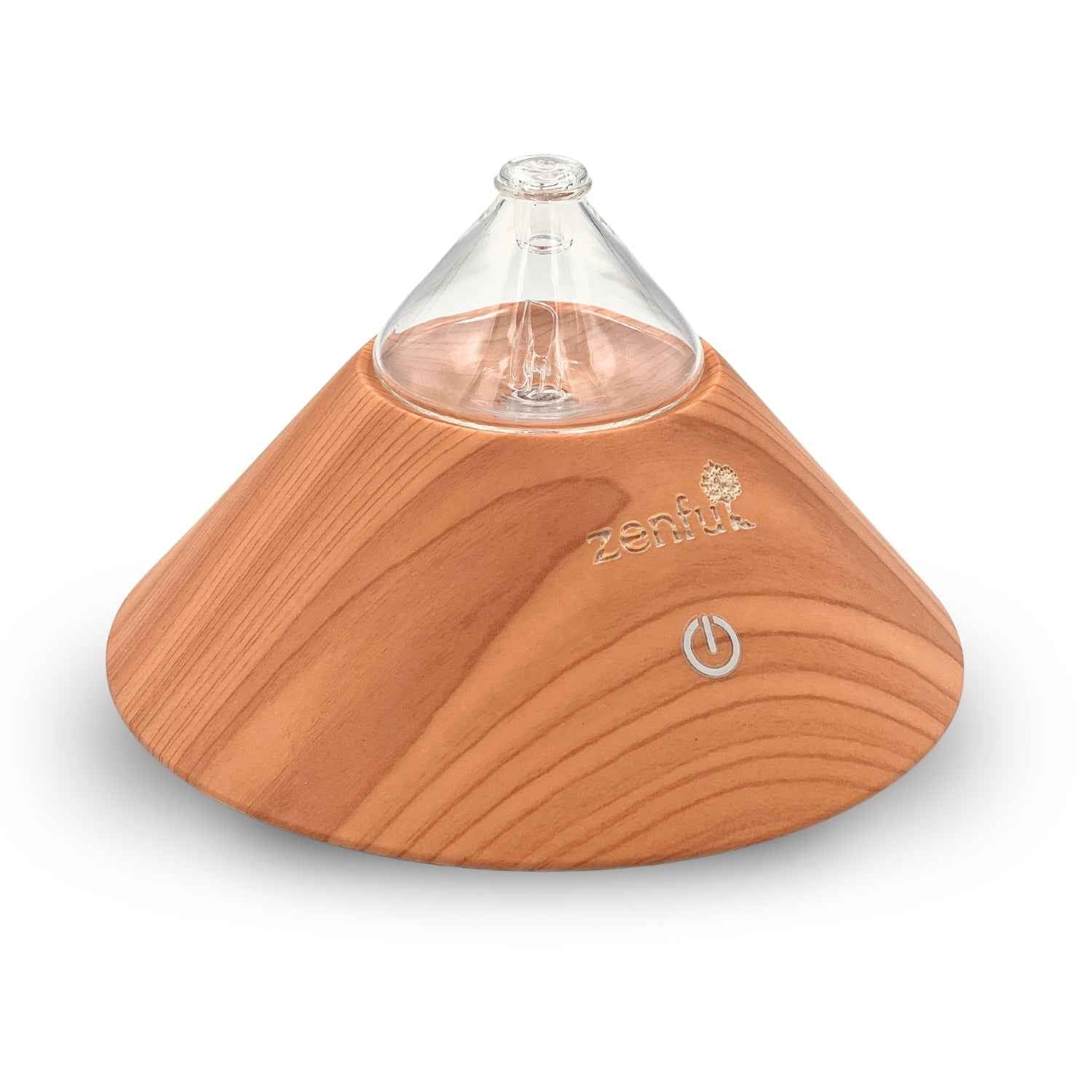
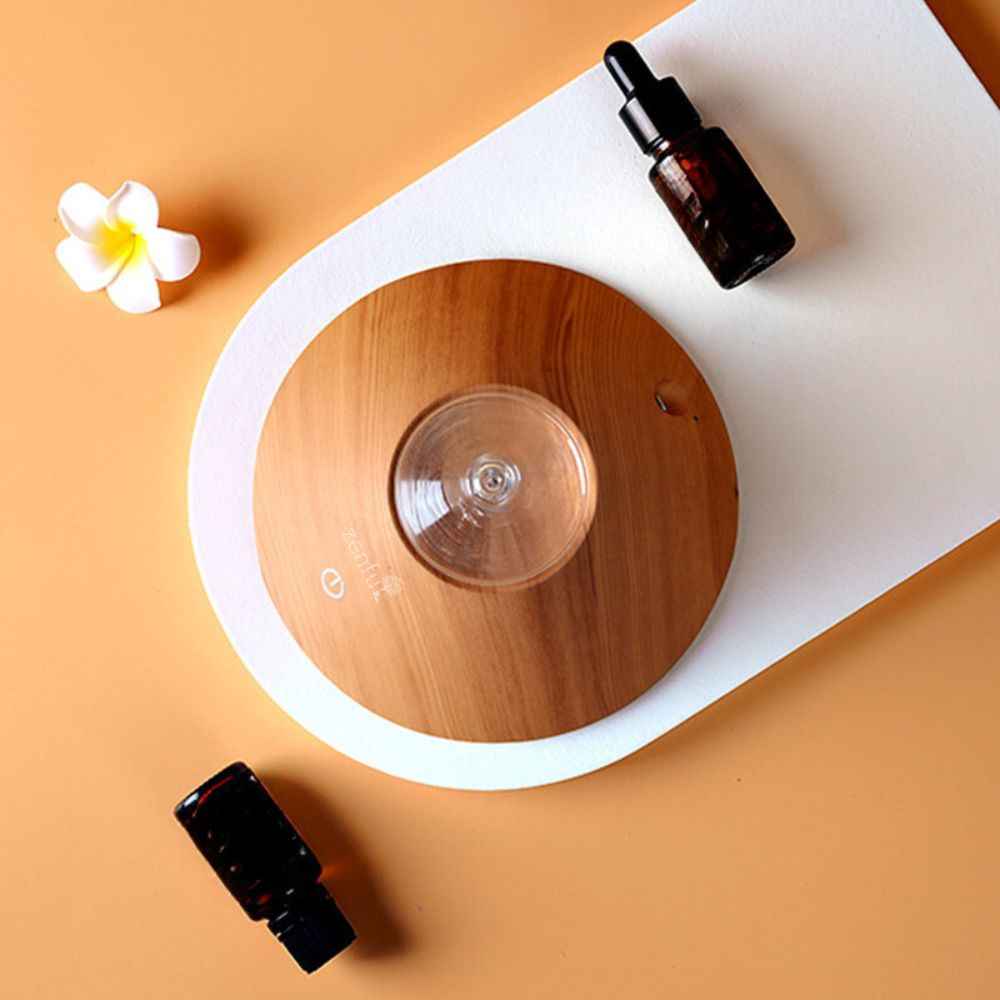
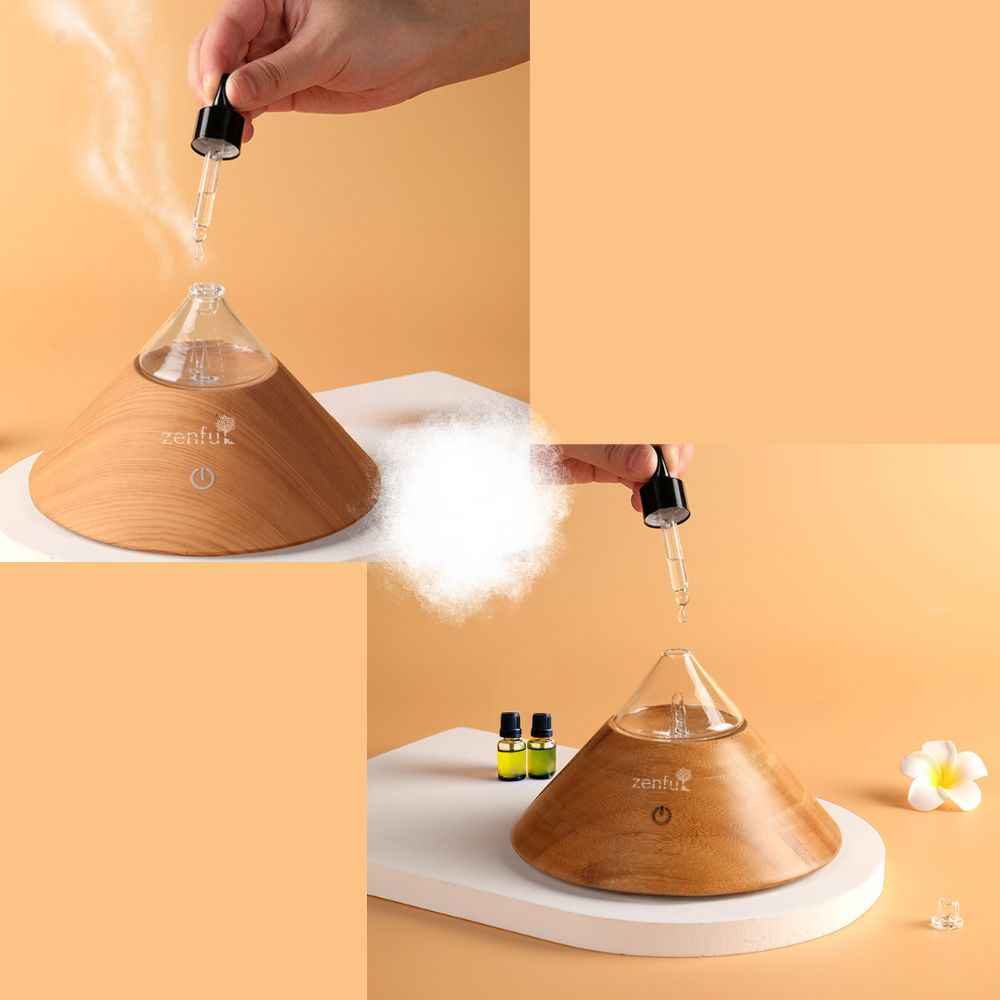
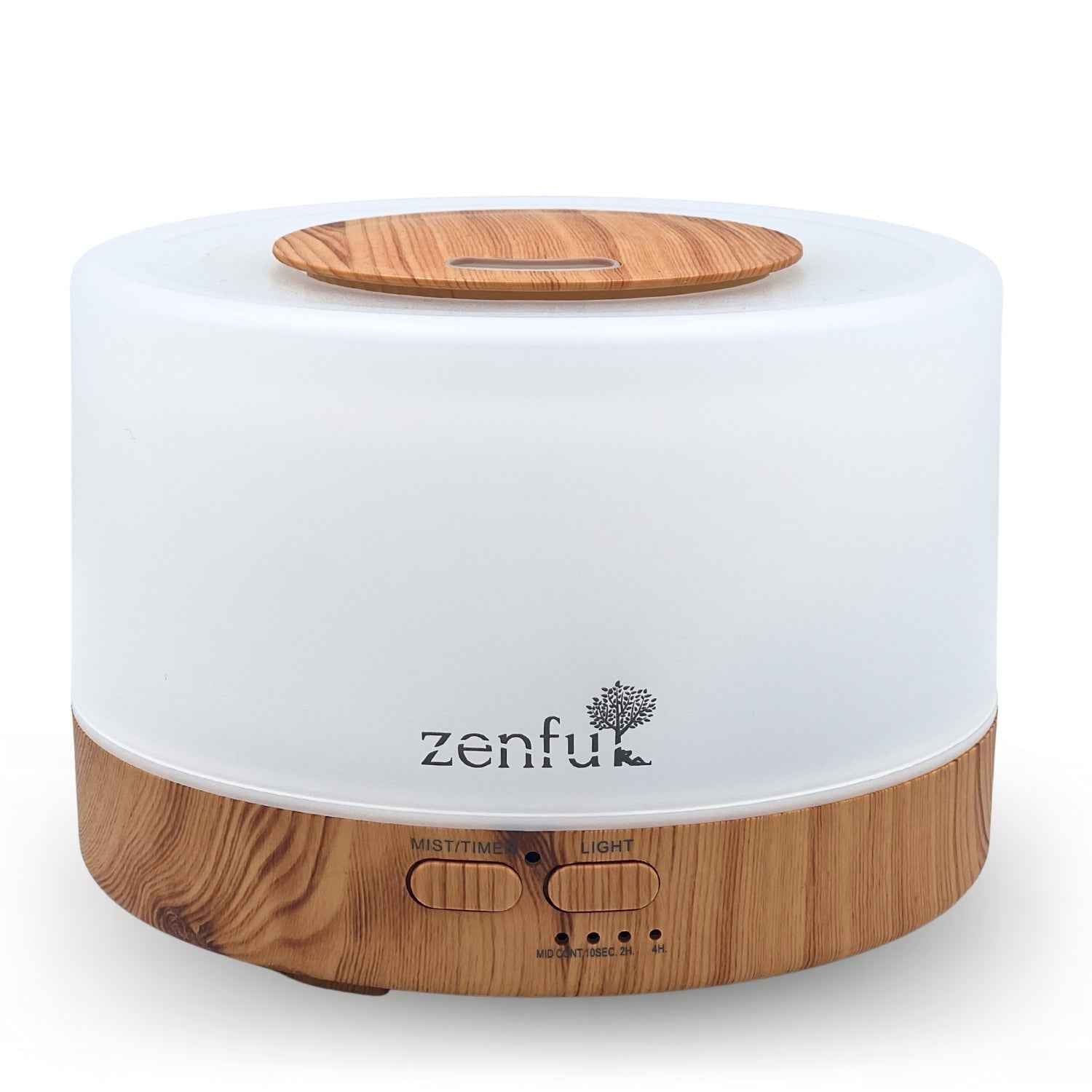
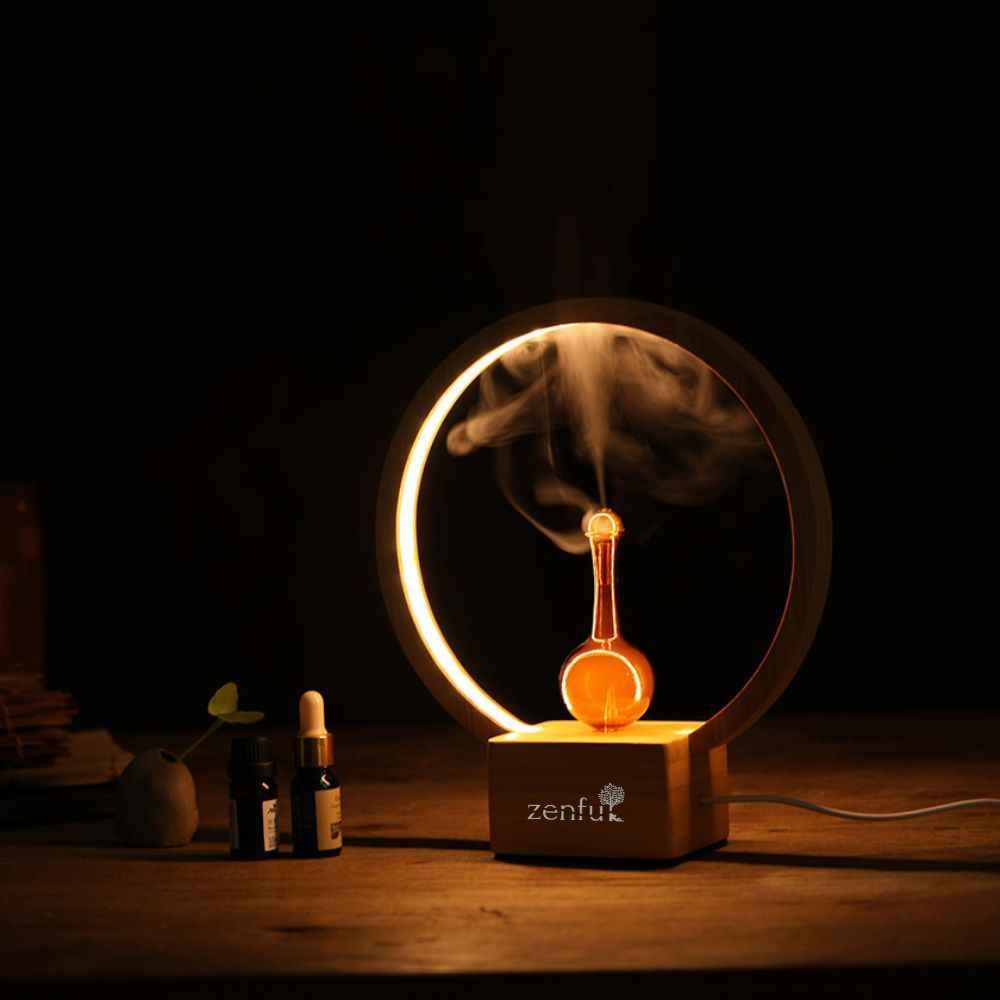
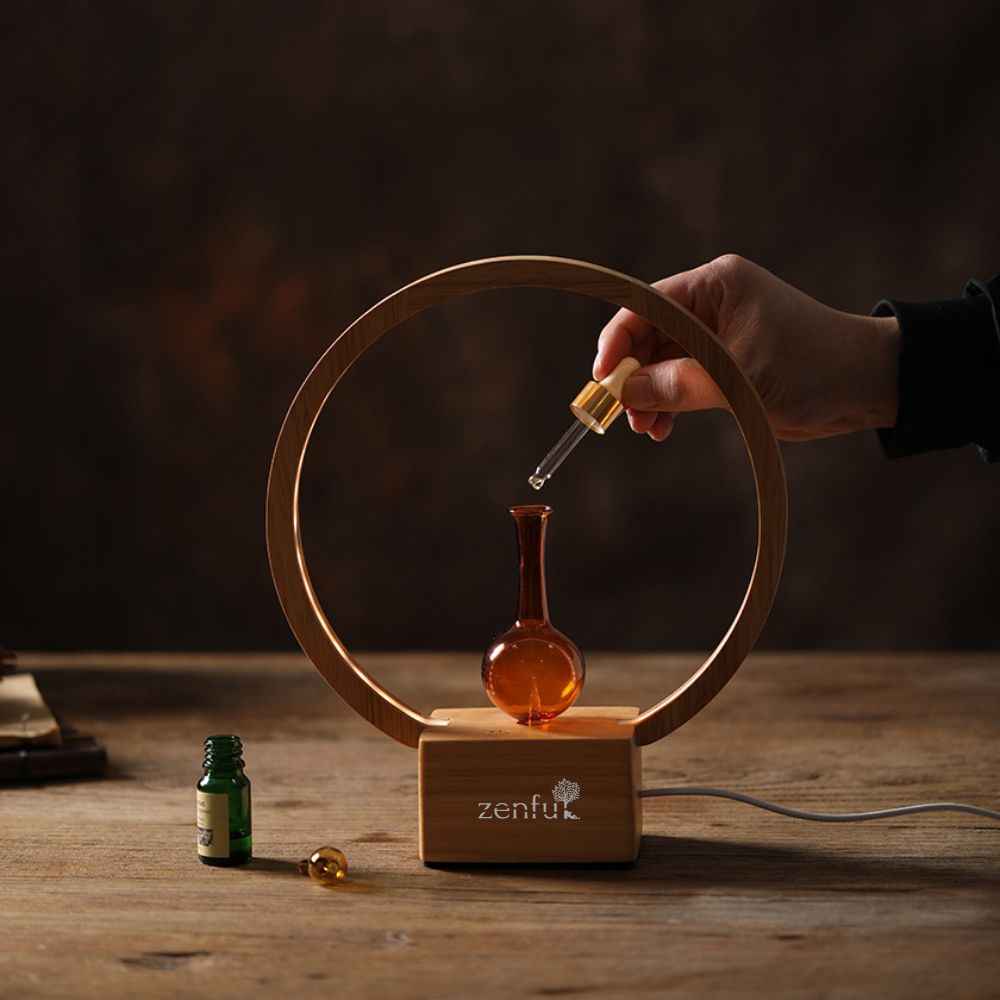
Used in diffusers to create a warm, comforting environment (always in moderation)
4. Safety Considerations
While eugenol has many beneficial uses, it must be handled with care:
-
Always dilute before applying to the skin — pure eugenol can cause irritation or burns
-
Avoid overuse in cosmetics or massage blends; recommended maximum dermal concentration is low (typically under 0.5–1%)
-
Not for direct ingestion in pure form — food-grade usage is highly regulated
-
Patch test before use to check for sensitivity
-
Keep away from children, pets, and eyes
5. Quality & Sourcing
If you’re using eugenol in aromatherapy or DIY formulations:
-
Choose pure, lab-tested essential oils that list eugenol content
-
Store in dark glass bottles away from light and heat
-
Be aware that clove bud oil contains higher concentrations than cinnamon leaf oil, making dilution even more important
Final Thoughts
Eugenol is a powerful and versatile natural compound — cherished for its rich aroma, valued in dental and cosmetic applications, and present in various spices we use daily.
When used responsibly and in the correct concentration, it can enhance fragrances, support natural formulations, and bring warmth to aromatherapy blends.
For a safe and high-quality source, look for pure clove or cinnamon leaf essential oils from reputable brands, ensuring proper dilution before topical or aromatherapy use.


Share:
Oil for Body: Which Body Oil is the Best?
Best Day Cream: What Is a Good Day Cream?