

The air inside your home might look clean — but it can be filled with invisible pollutants, allergens, and harmful particles. Poor indoor air quality (IAQ) can lead to headaches, allergies, asthma flare-ups, fatigue, and even long-term health issues.
Whether you live in a city apartment or a countryside home, improving your indoor air is one of the best steps toward a healthier living environment.
In this guide, you’ll learn:
-
What affects indoor air quality
-
How to measure air quality at home
-
The best tools and sensors
-
How to improve air quality naturally and effectively
🌬️ What Is Indoor Air Quality?
Indoor Air Quality (IAQ) refers to the cleanliness, freshness, and healthiness of the air inside your home or workspace. It’s affected by a range of factors, including:
-
Dust and pollen
-
Pet dander
-
Mold and mildew
-
VOCs (volatile organic compounds from furniture, paint, or cleaning products)
-
Smoke, cooking fumes, and candles
-
Carbon dioxide (CO₂) and carbon monoxide (CO)
-
Poor ventilation
🧪 How to Measure Air Quality at Home
You can’t manage what you don’t measure. Luckily, air quality monitors are widely available and highly accurate.
🔍 What to Use:
1. Smart Air Quality Monitors
These devices track:
-
PM2.5 (fine dust particles)
-
VOCs (toxic chemical compounds)
-
CO₂ (carbon dioxide buildup)
-
Humidity and temperature
-
Formaldehyde and radon (in high-end models)
Popular brands:
-
Airthings
-
IQAir
-
uHoo
-
Awair Element
-
Amazon Smart Air Quality Monitor
2. DIY Indicators (Less Accurate but Useful)
-
Foggy windows = high humidity
-
Frequent dust = poor filtration
-
Musty smells = mold spores
-
Headaches or fatigue = CO₂ buildup
⚠️ Signs of Poor Indoor Air Quality
-
Headaches or dizziness indoors
-
Coughing, sneezing, or irritated eyes
-
Dry throat or nasal congestion
-
Musty or chemical smells
-
Feeling tired or sluggish after staying indoors
-
Worsening of allergies or asthma symptoms
🌿 How to Improve Indoor Air Quality at Home
Once you know what’s in your air, here are simple and effective solutions to purify and refresh it:
✅ 1. Increase Ventilation
-
Open windows for 15–30 minutes a day
-
Use extractor fans in bathrooms and kitchens
-
Install trickle vents or mechanical ventilation systems
✅ 2. Use an Air Purifier
Choose a purifier with a HEPA filter to capture 99.97% of:
-
Dust
-
Pollen
-
Smoke
-
Mold spores
-
Pet dander
Some models also include activated carbon filters for VOCs and odors.
✅ 3. Add Air-Purifying Plants
NASA studies have shown certain houseplants help absorb toxins:
-
Snake plant (Sansevieria)
-
Peace lily
-
Areca palm
-
Spider plant
-
Aloe vera
Tip: Use multiple plants in different rooms for noticeable impact.
✅ 4. Control Humidity Levels
Too much humidity = mold. Too little = dry, dusty air.
Ideal range: 40–60%
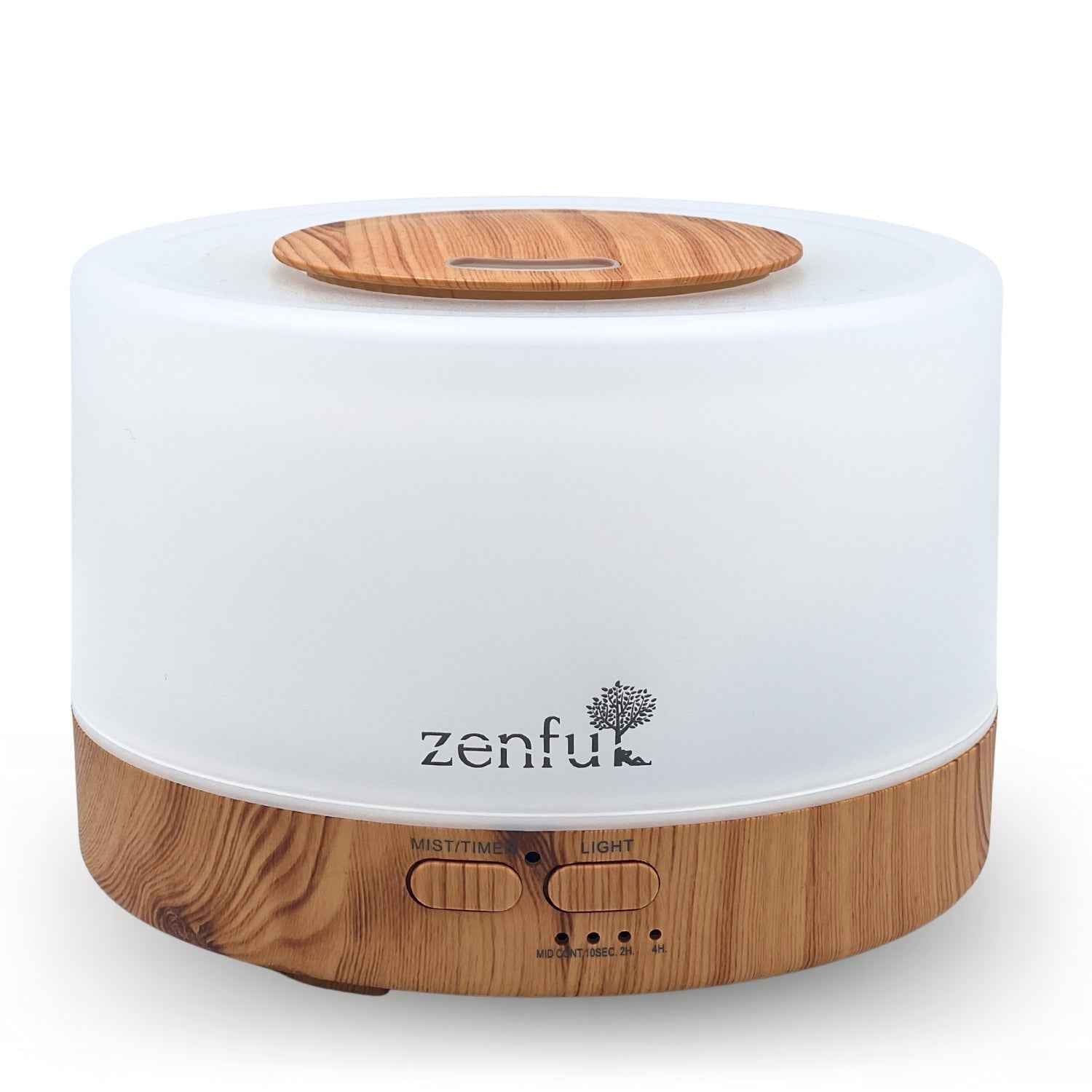
Use a humidifier in winter or a dehumidifier in damp areas. Always pair them with a hygrometer.
✅ 5. Clean Smart & Naturally
-
Avoid aerosol sprays and strong synthetic fragrances
-
Choose natural or unscented cleaning products
-
Vacuum with a HEPA filter 2–3 times per week
-
Dust using microfiber cloths to avoid spreading particles
✅ 6. Avoid Indoor Pollutants
-
Don’t smoke indoors
-
Minimize use of candles, incense, and fireplaces
-
Use fragrance-free laundry and cleaning supplies
-
Store paints, solvents, and chemicals in sealed containers in garages or sheds
✅ 7. Monitor CO₂ and CO Levels
High CO₂ levels cause fatigue, brain fog, and poor sleep.
Carbon monoxide (CO) is deadly — install a CO alarm near sleeping areas and appliances.
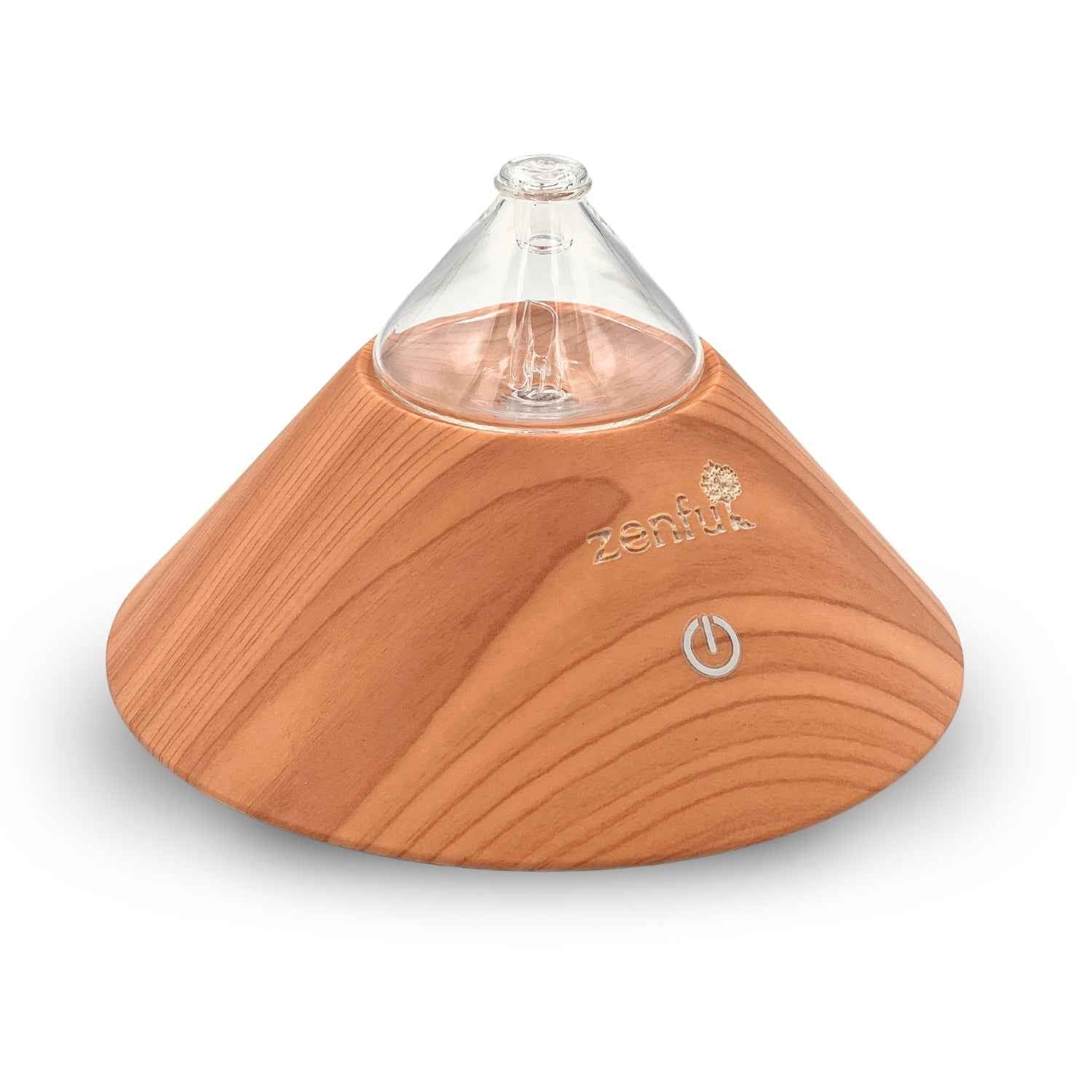
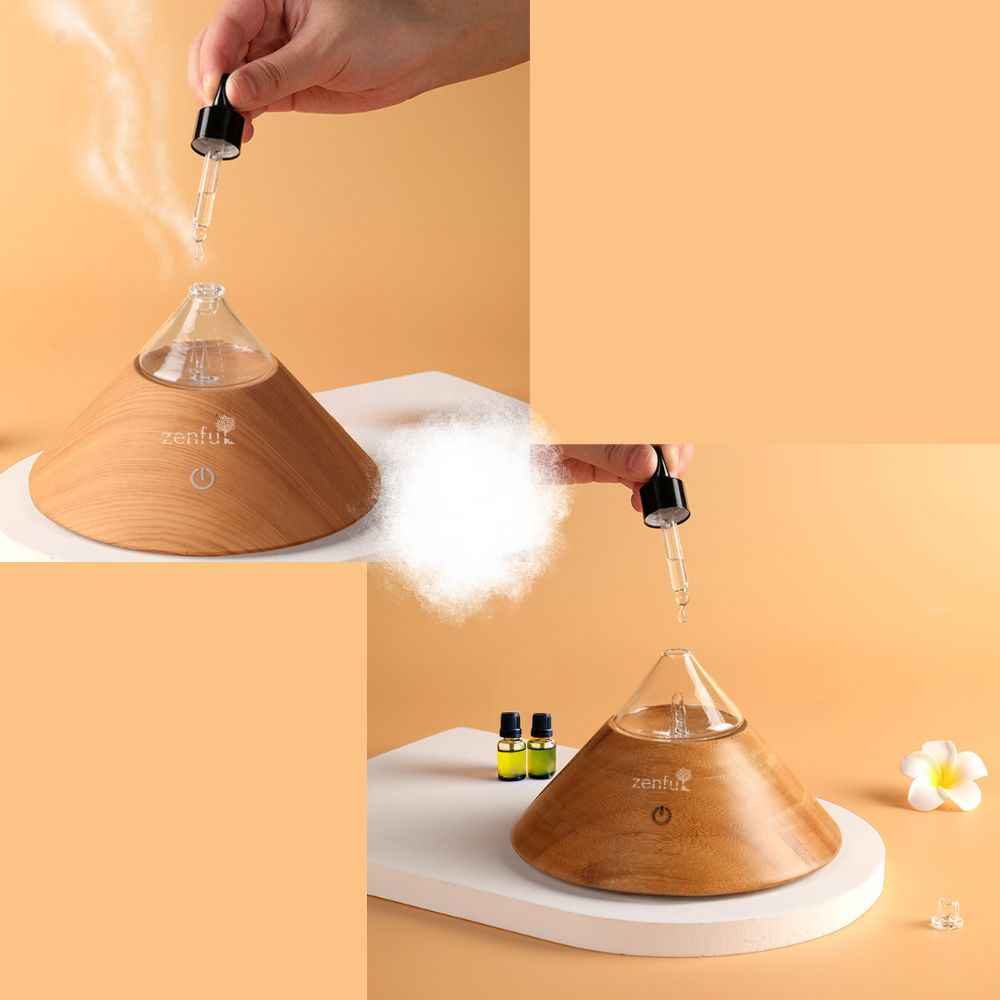
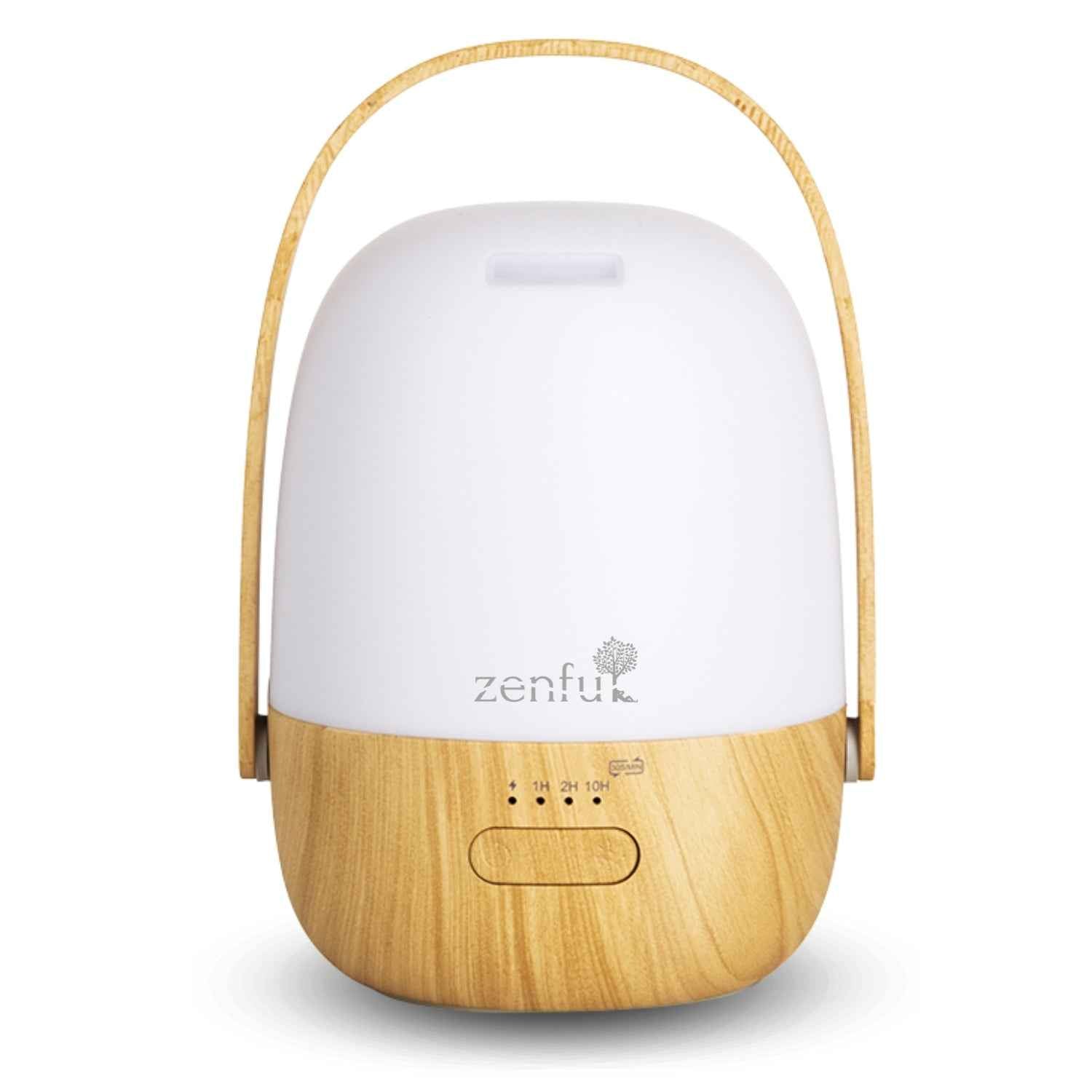
✅ 8. Use Essential Oils Wisely
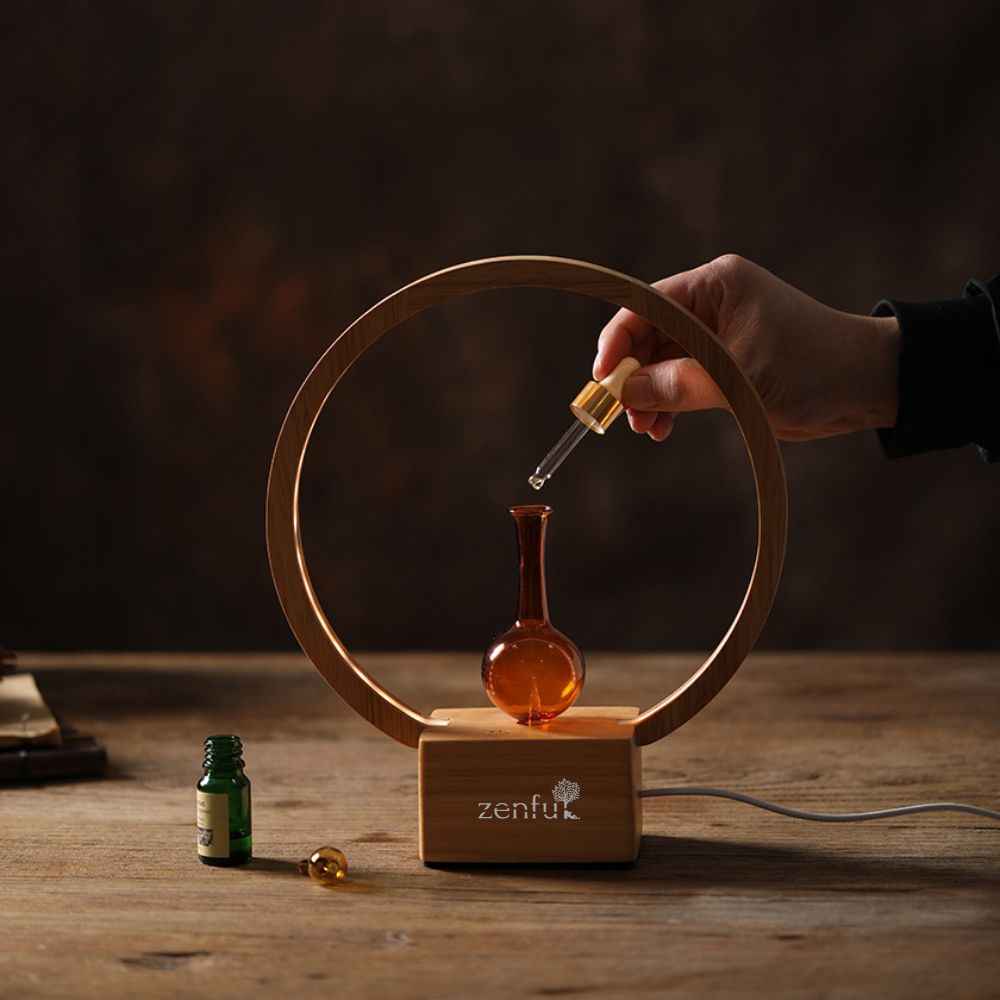
While many essential oils (like eucalyptus, lavender, and tea tree) have purifying properties, only use them in diffuser-safe doses and ensure proper ventilation.
📋 Summary: Easy Actions for Cleaner Indoor Air
| Problem | Solution |
|---|---|
| Dust & allergens | HEPA air purifier, frequent vacuuming |
| Mold or moisture | Dehumidifier, better ventilation |
| Dry air | Humidifier, indoor plants |
| VOCs from products | Choose natural, low-VOC cleaners |
| Stale air | Open windows daily |
| Chemical buildup | Remove synthetic fragrances & sprays |
Final Thoughts
Indoor air quality is one of the most overlooked elements of personal health — but also one of the easiest to improve. Whether you start by buying a smart monitor, adding an air-purifying plant, or just opening a window more often, every step matters.
Clean air doesn’t just help you breathe better — it boosts your mood, sleep, energy, and long-term health.
Share:
How to Dilute Rosemary Oil for Hair: Safe & Effective Use Guide
Best Fragrance for Home: Top House Scents & Perfumes