

Air quality isn’t just about what’s happening outside — the air inside your home or workplace can have an even bigger impact on your daily comfort and wellbeing. Many people focus on temperature and humidity, but air purity and freshness are just as important.
In this guide, we’ll explore why air quality matters, what affects it, and how diffusers can be part of creating a healthier indoor environment.
1. Why Air Quality Matters
We breathe over 20,000 times a day — and every breath brings in not only oxygen but also particles, allergens, and microscopic pollutants. Poor indoor air quality can contribute to:
-
Dryness of skin and throat
-
Irritated eyes or nasal passages
-
Fatigue and lack of concentration
-
General discomfort in the home
While outdoor air quality is influenced by pollution, weather, and seasonal changes, indoor air quality is affected by:
-
Ventilation (or lack of it)
-
Heating and cooling systems
-
Dust and allergens from furniture, carpets, and pets
-
Dry air from winter heating or air conditioning
2. How to Improve Indoor Air Quality
Improving air quality is often a combination of several steps:
-
Regular ventilation – Opening windows when possible
-
Using air purifiers – Filtering out dust, pollen, and pollutants
-
Maintaining proper humidity – Preventing overly dry or damp conditions
-
Cleaning regularly – Reducing dust and allergens
-
Adding natural scent and moisture – Using a diffuser with essential oils
3. How Diffusers Contribute to Better Air Quality
A. Adding Moisture to the Air
Ultrasonic and water-based diffusers release a fine mist into the air, which can help reduce dryness. This is especially beneficial during winter when heating systems make indoor air extra dry.
B. Dispersing Essential Oils
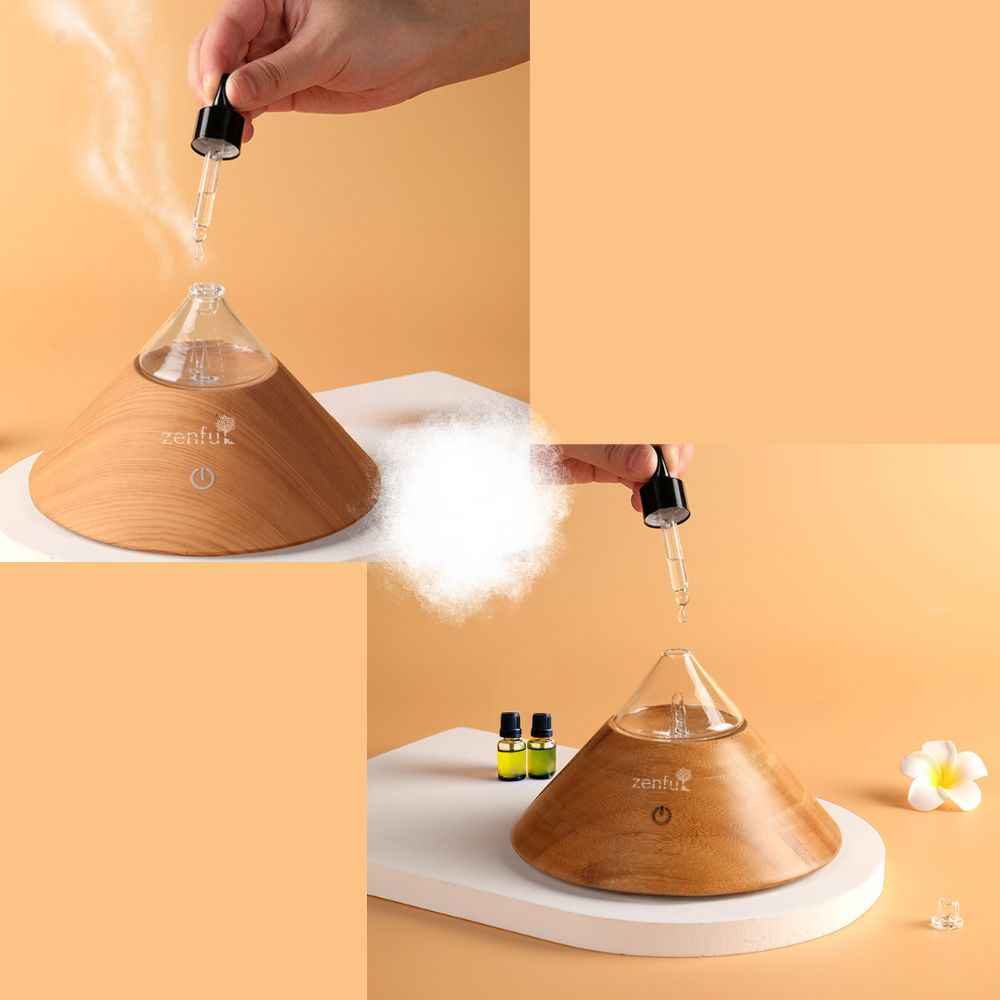
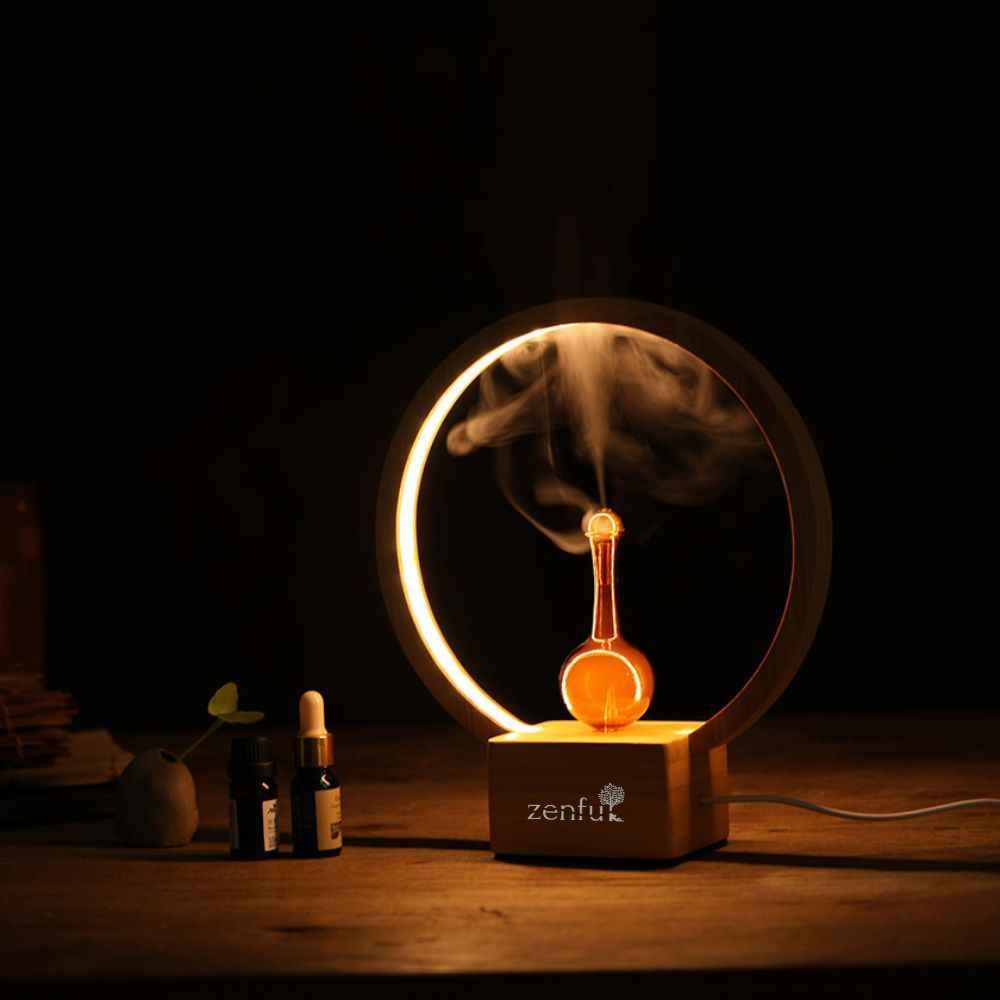
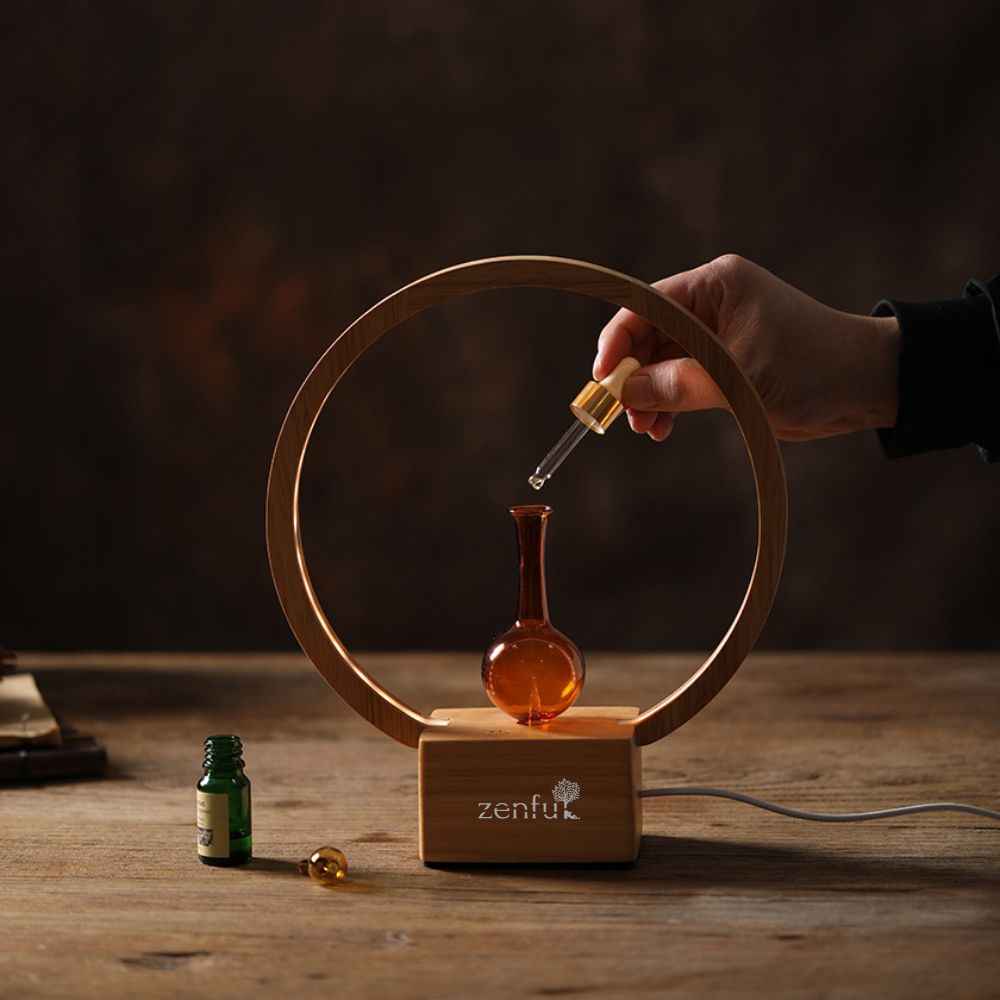
Diffusers can distribute essential oils into the air, creating a pleasant aroma and promoting a calming or energizing atmosphere depending on the oil chosen.
-
Lavender oil → Relaxing and soothing
-
Peppermint oil → Refreshing and invigorating
-
Tea tree oil → Known for its clean, fresh scent
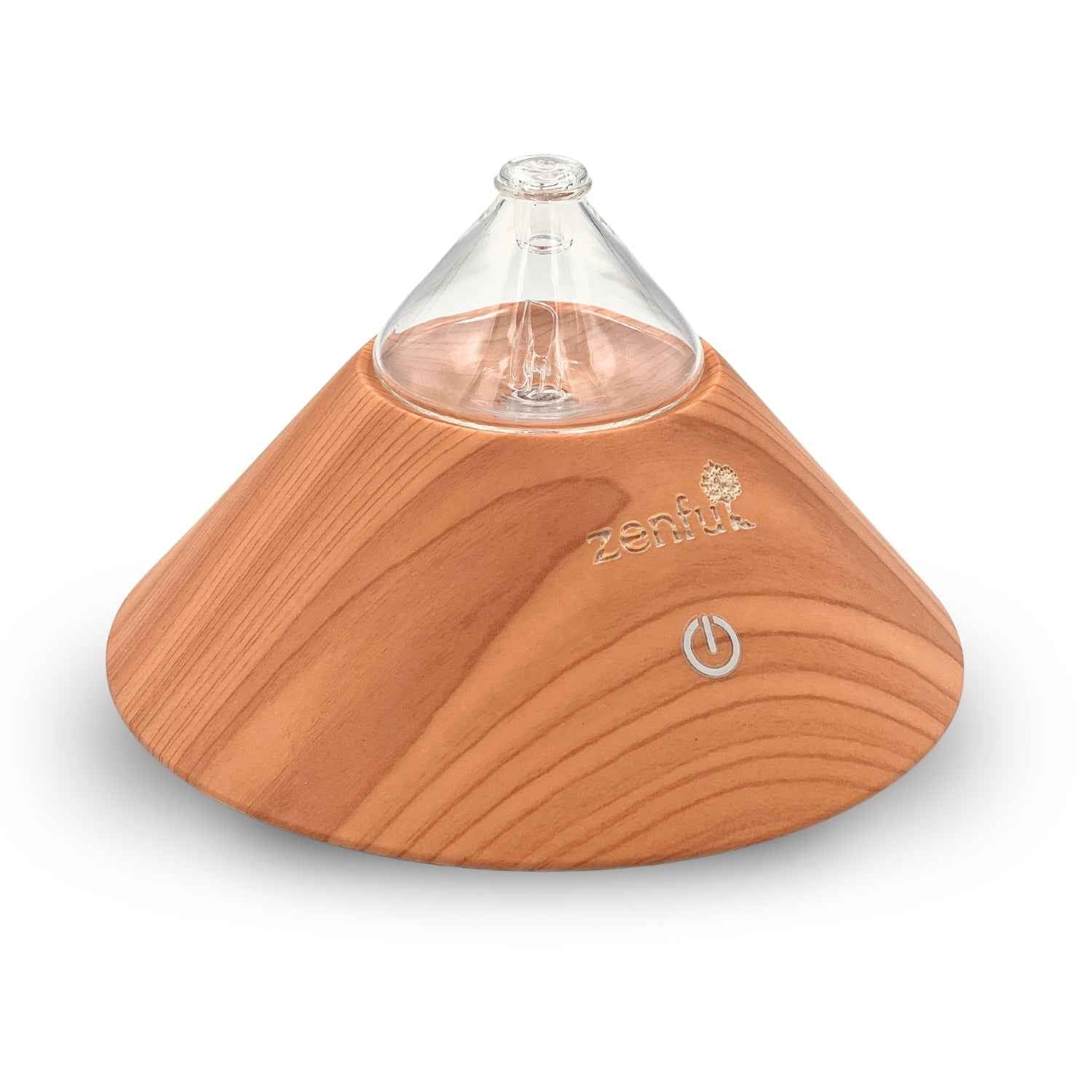
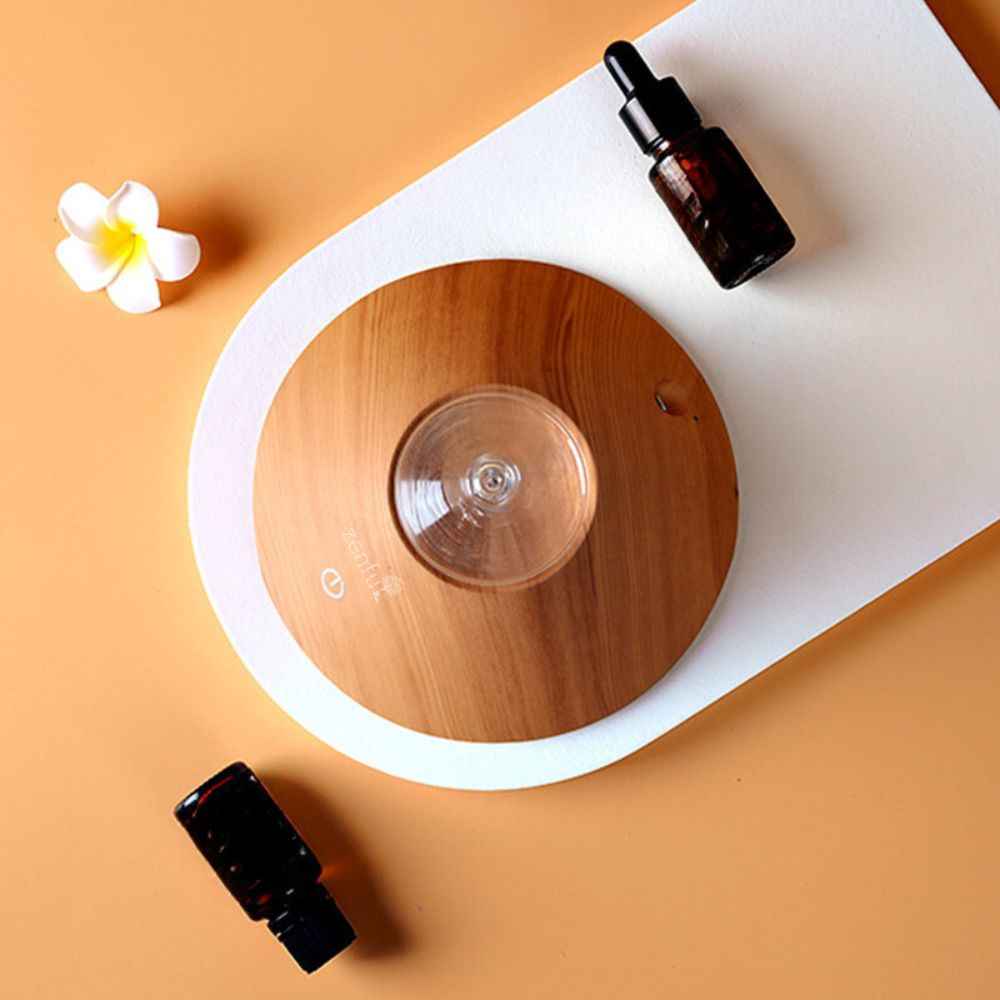
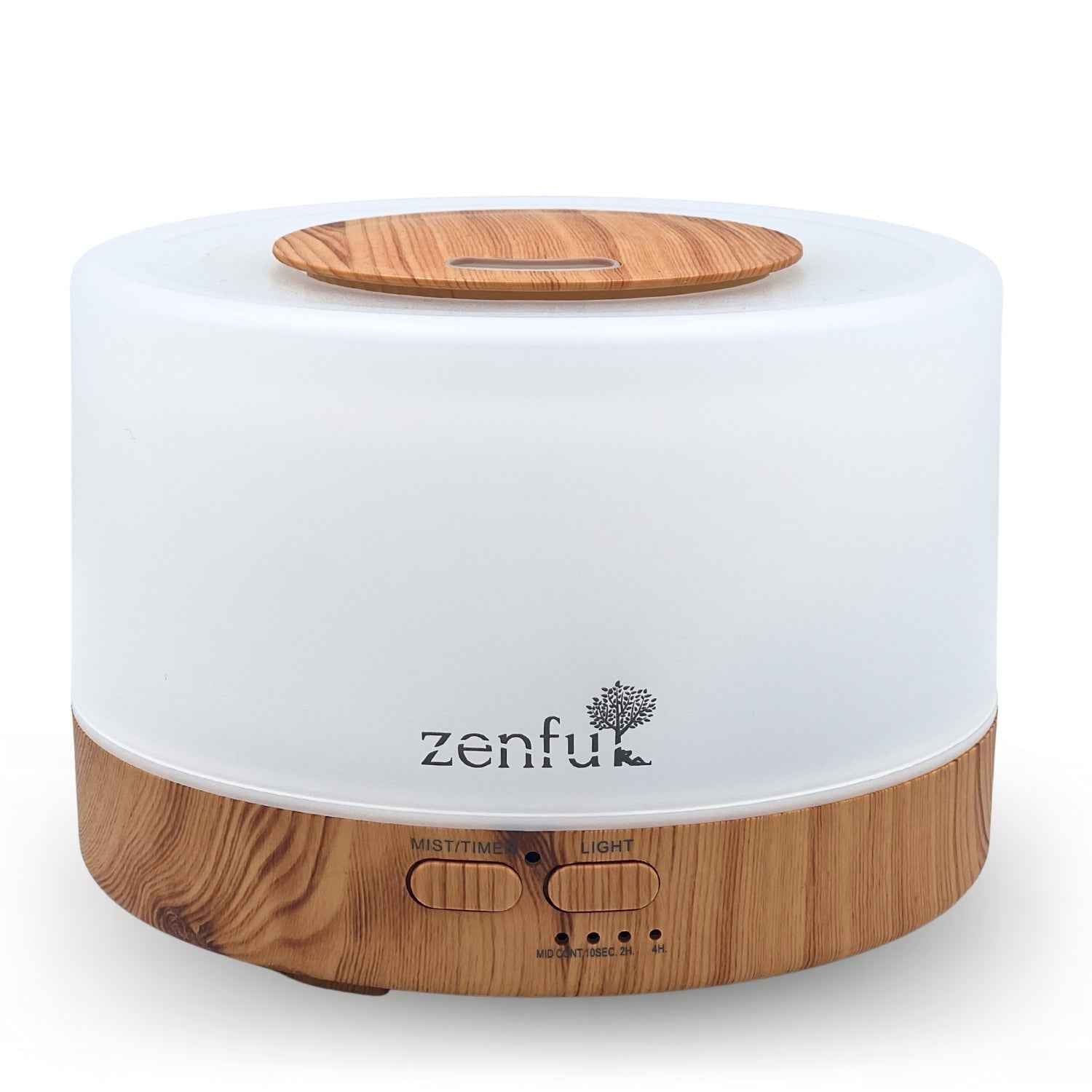
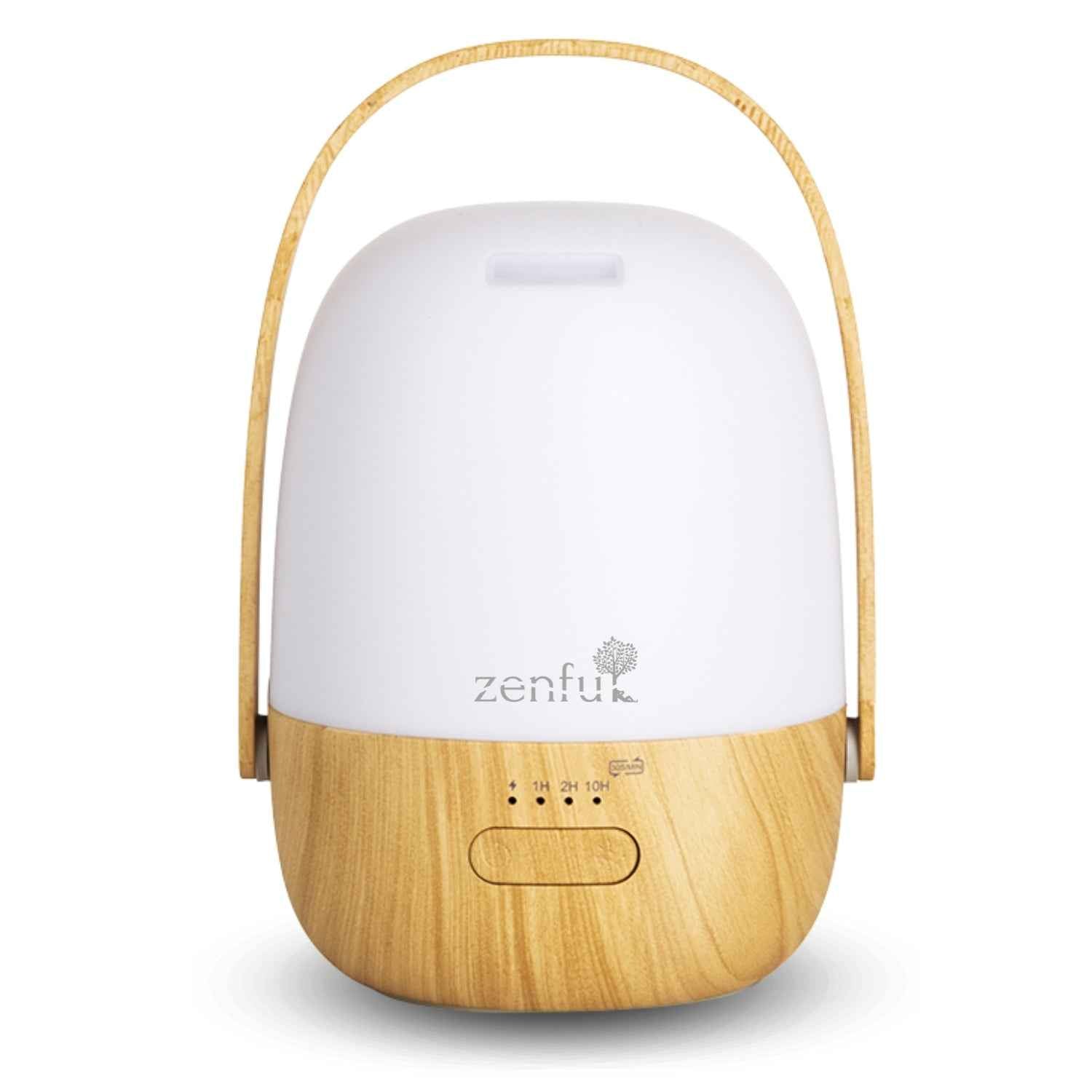
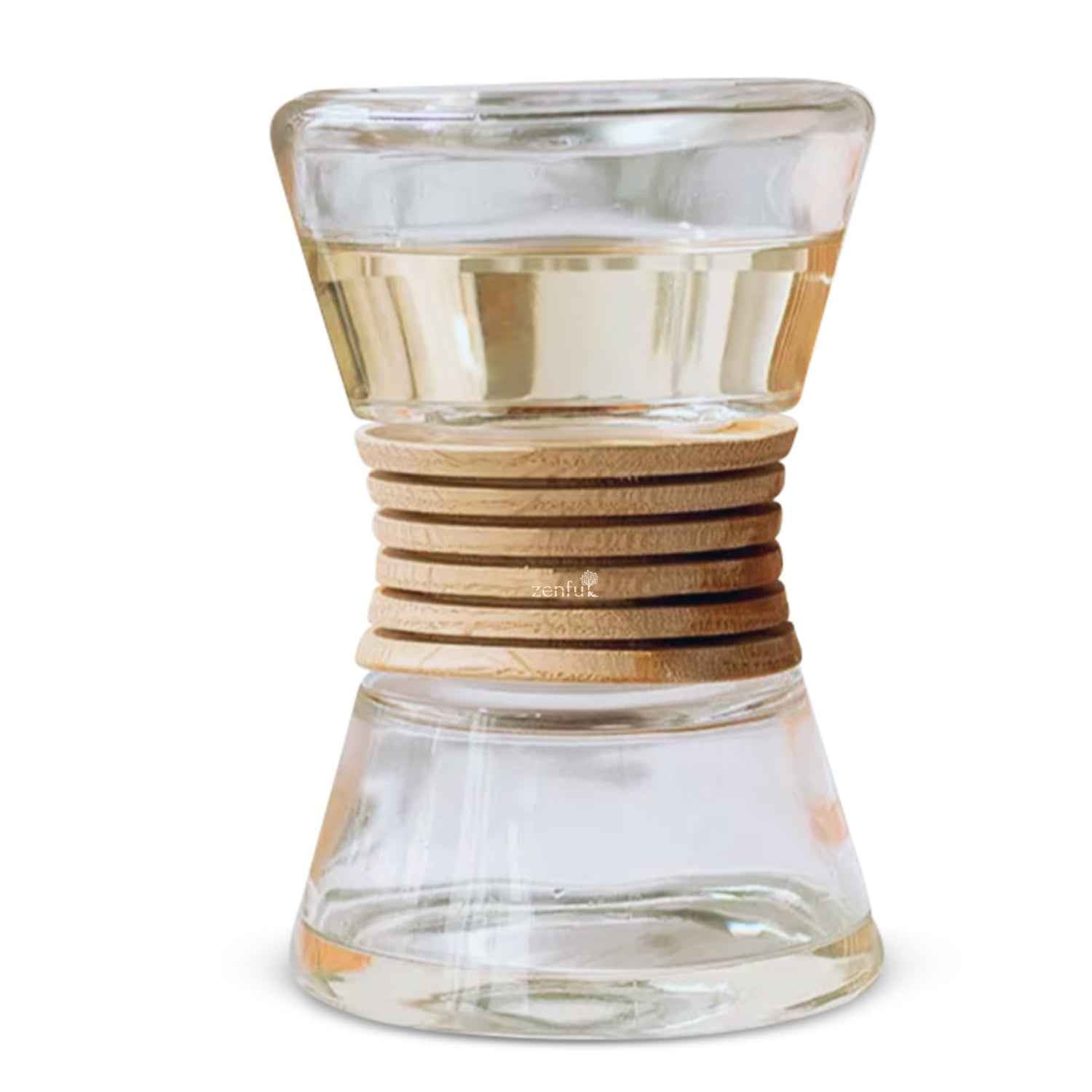
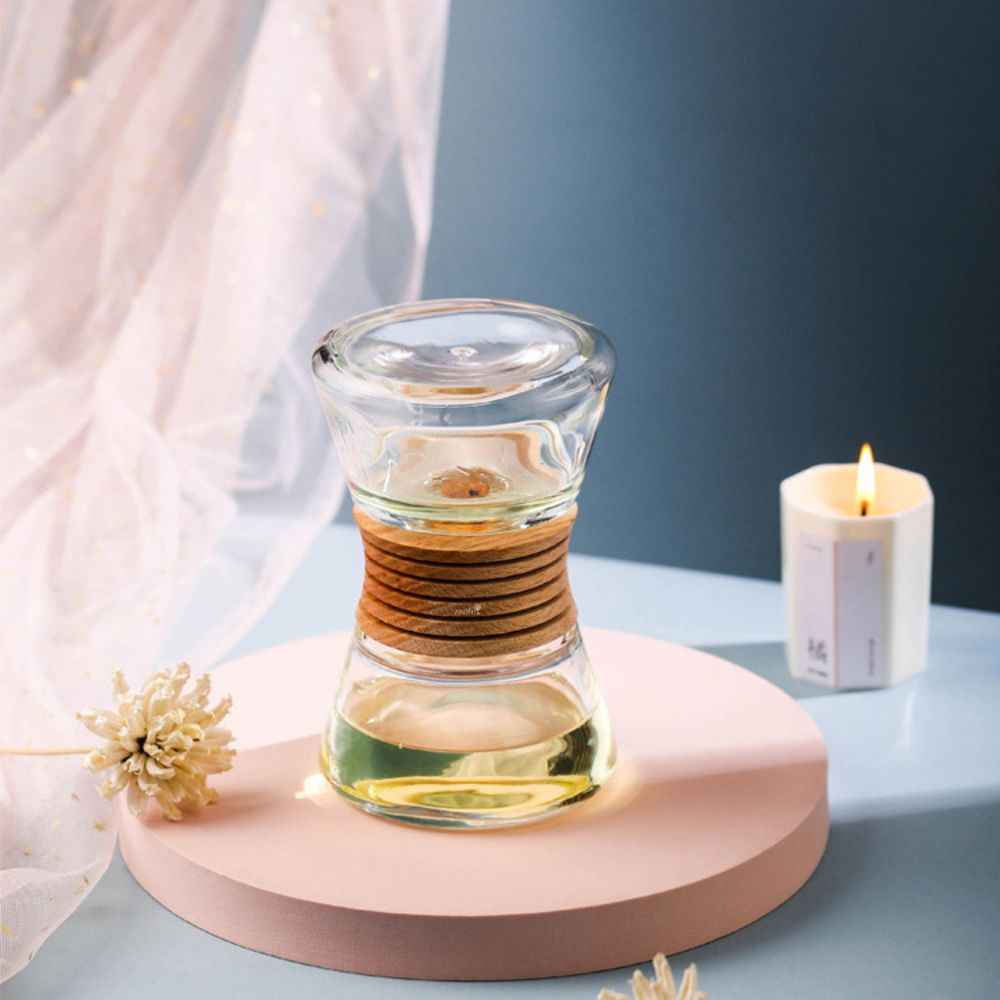
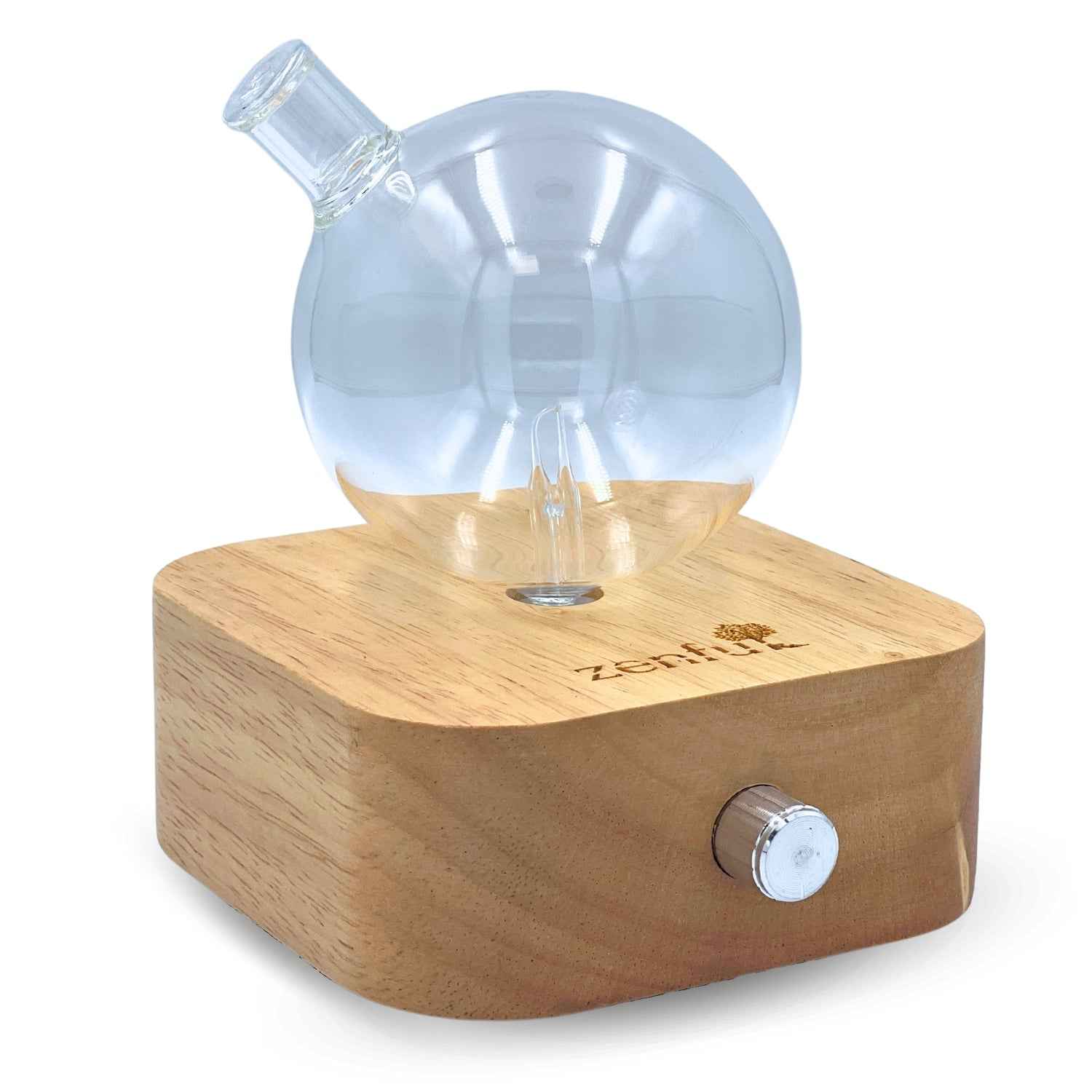
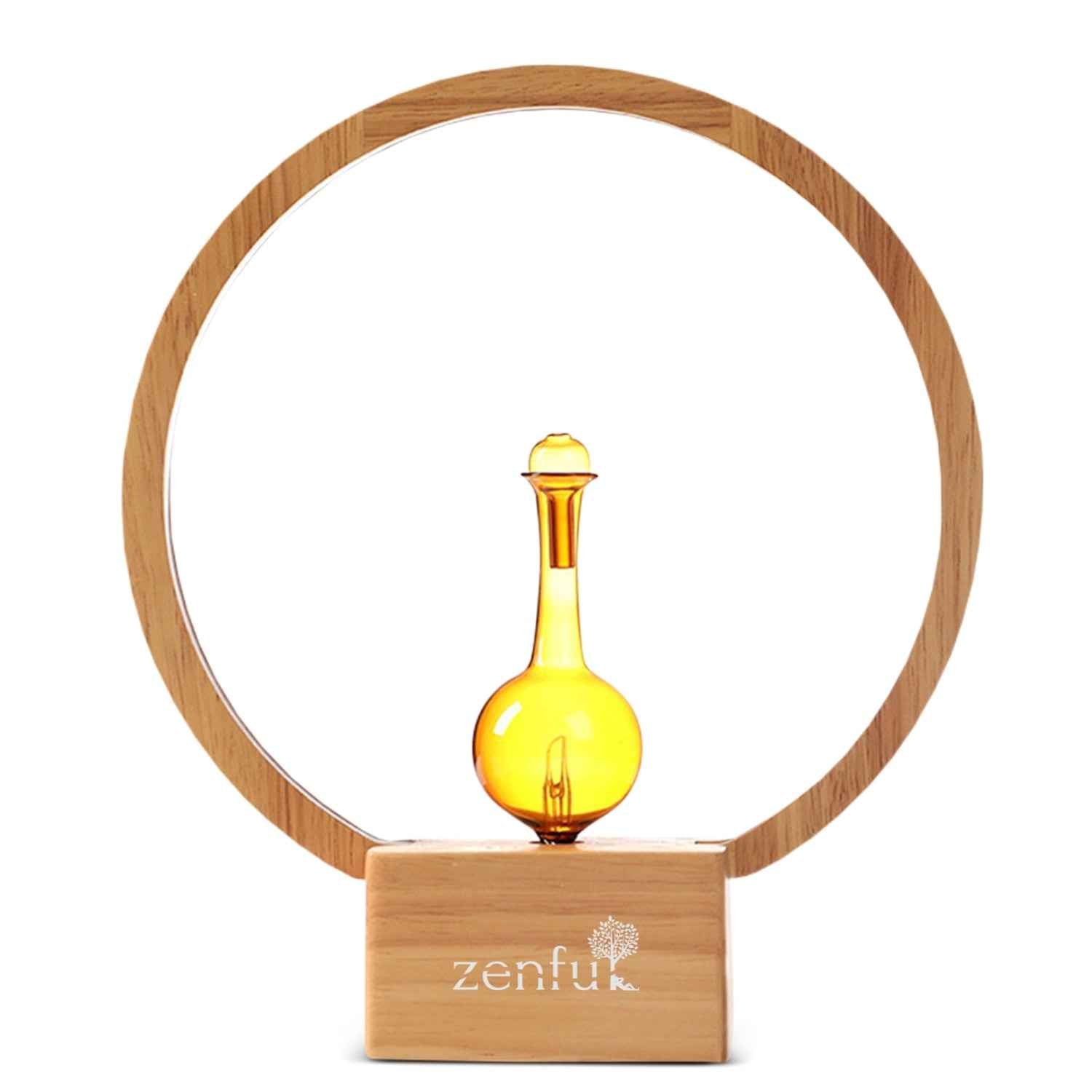
💡 Zenful diffusers are designed for optimal mist output and even aroma distribution, pairing perfectly with pure essential oils.
C. Supporting a Fresher Environment
While a diffuser is not a replacement for an air purifier, the right essential oils can help neutralize stale odors and make a space feel fresher and more inviting.
4. Choosing the Right Diffuser for Air Quality
When selecting a diffuser:
-
Ultrasonic diffusers – Great for combining aroma with added moisture
-
Nebulizing diffusers – Release pure essential oil without water for a stronger scent
-
Size & coverage – Match diffuser capacity to your room size
-
Timer & mist settings – Allow better control over intensity and duration
5. Best Practices for Using Diffusers
-
Use pure, high-quality essential oils (avoid synthetic fragrances)
-
Clean your diffuser regularly to prevent buildup
-
Avoid over-saturating the air — intermittent use is often best
-
Store oils properly to maintain their aroma and quality
Final Thoughts
Good air quality starts with clean, well-ventilated spaces — but a diffuser can enhance your environment by adding gentle moisture, dispersing natural aromas, and creating a more pleasant atmosphere.
Whether you want to relax after a long day, feel more energized in the morning, or simply make your home smell fresh, a high-quality diffuser paired with pure essential oils can make a noticeable difference.
For reliable performance and beautiful design, Zenful diffusers are an excellent choice, offering both function and style for your home.
Share:
Fulvic Acid Benefits: Discover the Effect, Side Effects and Experiences
Moroccan Oil: What Is It and Why Is It So Loved?