

Young Living is one of the most famous essential oil brands in the world, known for its “Seed to Seal” promise and vast network of independent distributors. But in recent years, the company has been surrounded by controversy, mixed reviews, and safety concerns.
In this blog, we’ll break down:
-
How Young Living’s business model works
-
Whether it’s considered a pyramid scheme
-
Safety concerns and legal issues
-
Customer reviews — both positive and negative
-
Safer, more transparent alternatives
1. What is Young Living?
Founded in 1993, Young Living markets itself as the world leader in essential oils. The company sells products through a multi-level marketing (MLM) structure — meaning individuals sign up as “members” or “distributors” to sell oils and recruit others to join.
Their product line includes:
-
Essential oils and blends
-
Supplements
-
Cleaning products
-
Personal care items
2. Is Young Living a Pyramid Scheme?
Understanding the MLM Model
Young Living operates on direct selling combined with a recruitment-based compensation plan. Members earn commissions both from their own sales and from the sales of people they recruit.
The problem? MLMs often prioritize recruitment over product sales.
While Young Living has legitimate products, the earning structure heavily rewards building a large downline — leading critics to argue it behaves like a pyramid scheme.
Key Signs of a Pyramid-Like Structure
-
High pressure to recruit rather than just sell products
-
Most participants earn little to no profit (Young Living’s own income disclosure shows the majority make less than a few hundred dollars a year)
-
Ongoing monthly purchase requirements to remain active and qualify for commissions
💡 Verdict: While not legally classified as an illegal pyramid scheme, Young Living’s structure heavily favors recruitment, making it difficult for the average person to earn significant income without constant recruitment.
3. Safety Concerns with Young Living Oils
Misleading Health Claims
Young Living has faced FDA warning letters for distributors making unapproved claims that their oils could treat or prevent diseases (including serious illnesses like COVID-19). Such claims can be dangerous if customers replace proper medical care with oils.
Internal Use Recommendations
Young Living promotes internal consumption for certain oils, but ingesting essential oils carries risks and should only be done under qualified medical supervision.
Skin Sensitivities & Allergic Reactions
Some customers report skin irritation, rashes, or burns after using oils undiluted — especially “hot” oils like oregano, cinnamon, or thyme.
4. Legal & Regulatory Issues
-
2014: Young Living pleaded guilty to illegally trafficking rare oils like rosewood and spikenard, violating the Lacey Act and Endangered Species Act.
-
2019: Paid $1.75 million to settle claims of misleading income representations.
-
Multiple FDA warnings for improper medical claims by distributors.
5. Young Living Reviews — The Good and The Bad
Positive Reviews
-
Many customers praise the scents and variety of blends.
-
Loyal members appreciate the community aspect of the MLM.
Negative Reviews
-
High prices — often double or triple the cost of comparable pure oils.
-
Complaints about pressure to recruit and maintain monthly purchases.
-
Reports of skin reactions or oils smelling different between batches.
6. Why Many Consumers Choose Alternatives
If you love essential oils but want to avoid MLM pricing, recruitment pressure, and questionable claims, direct-to-consumer brands are a safer bet.
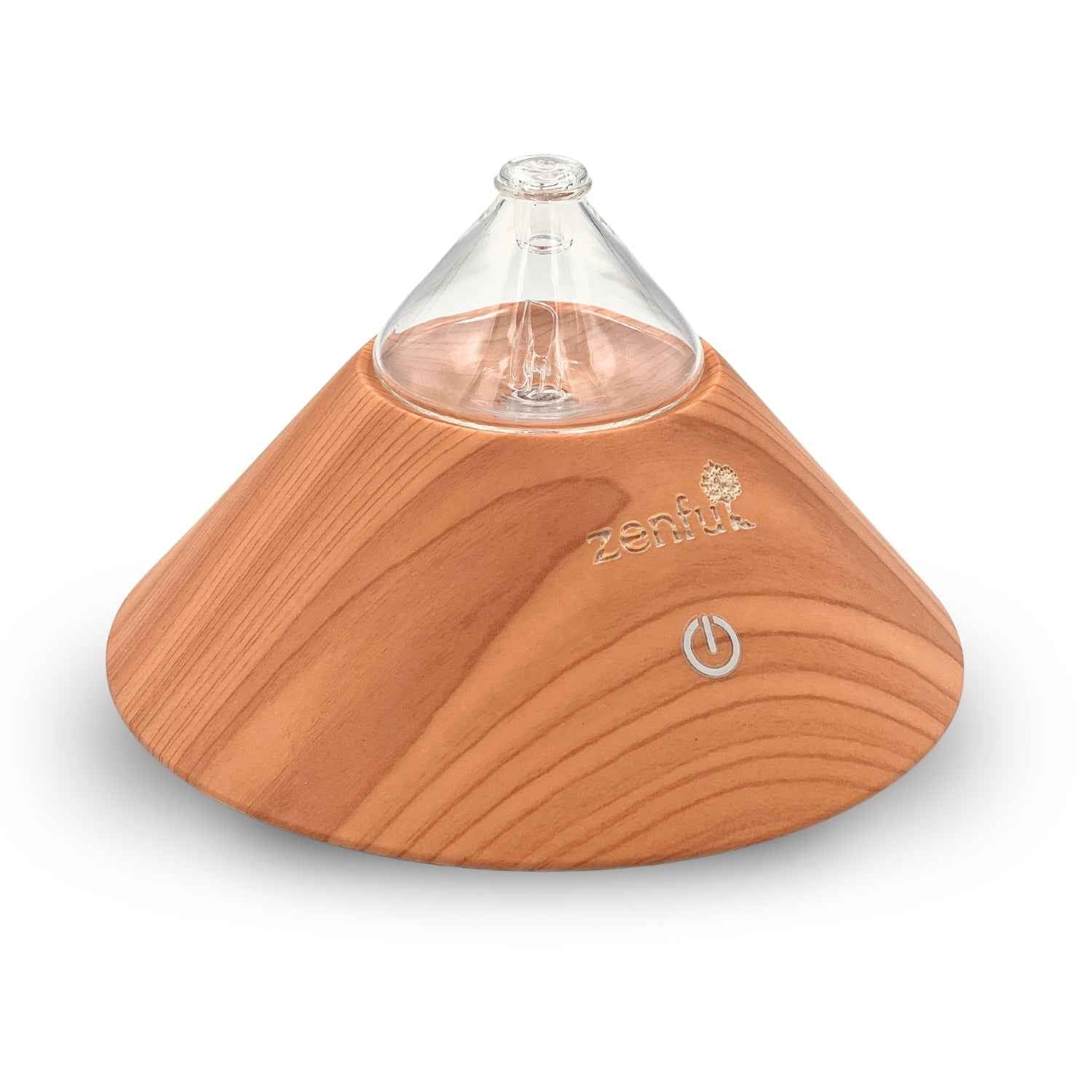
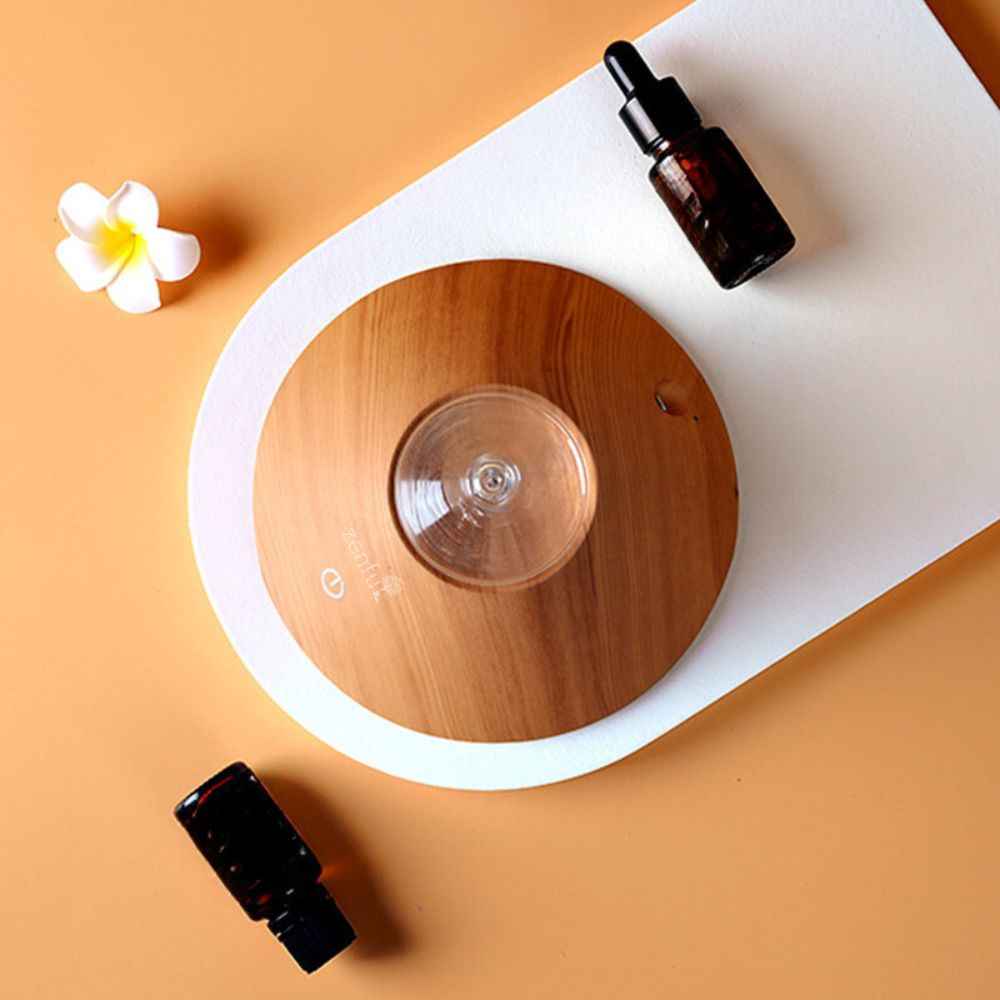
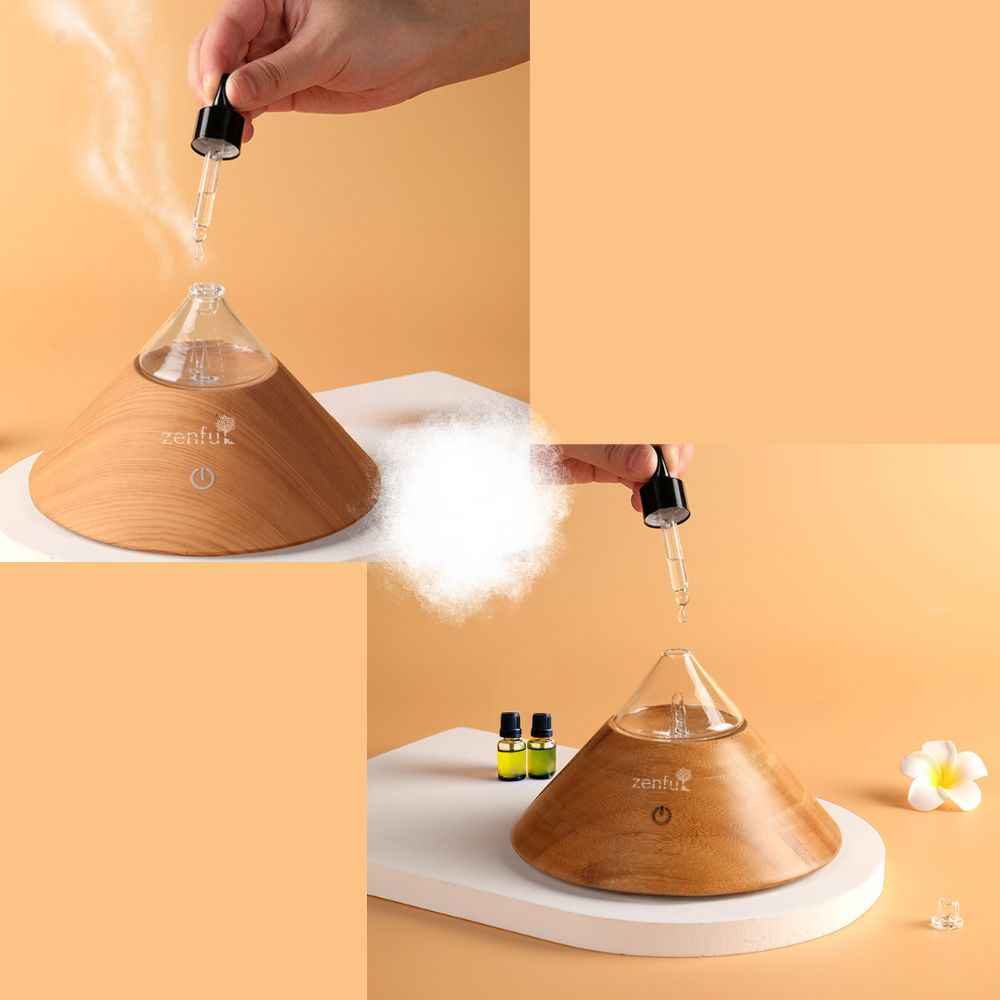
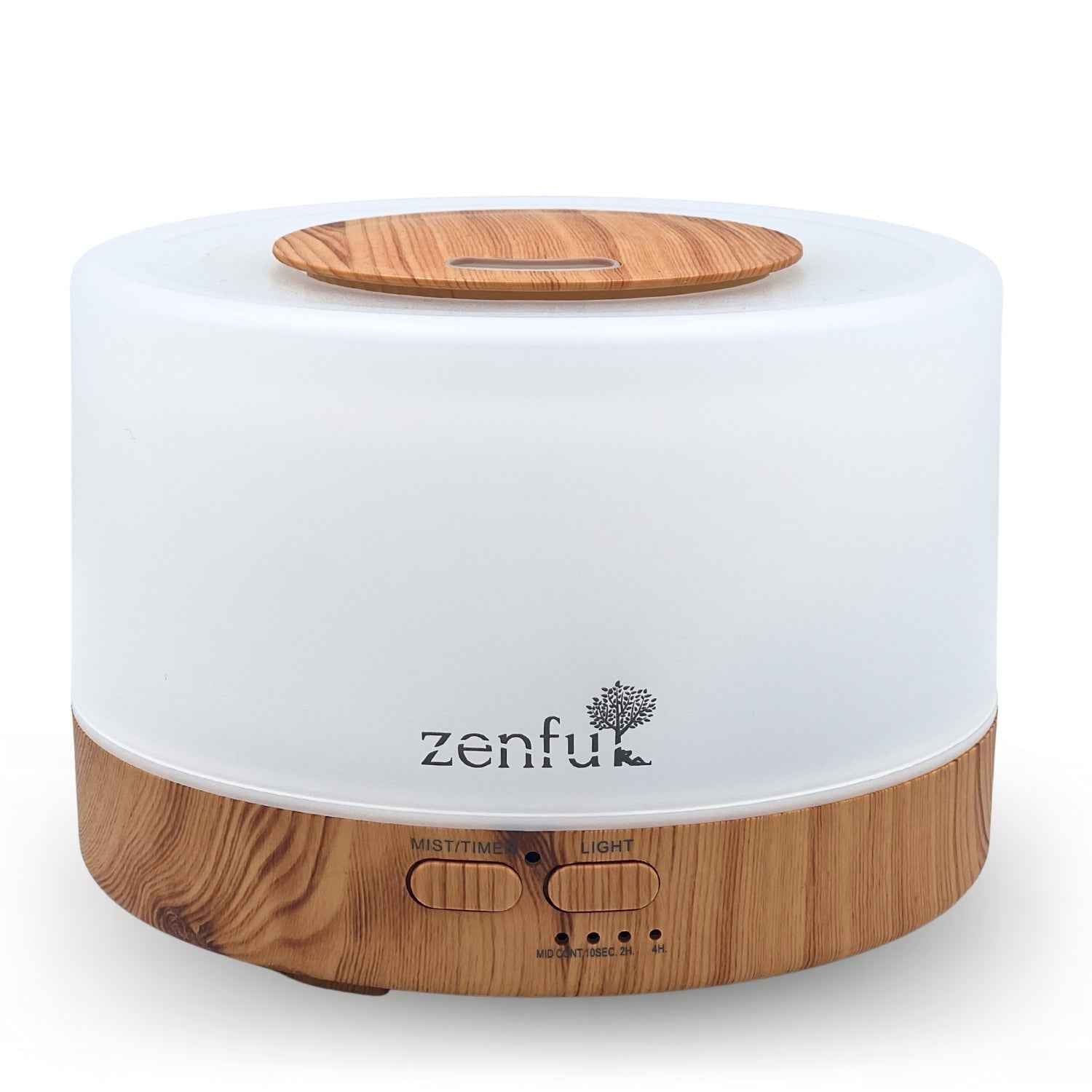
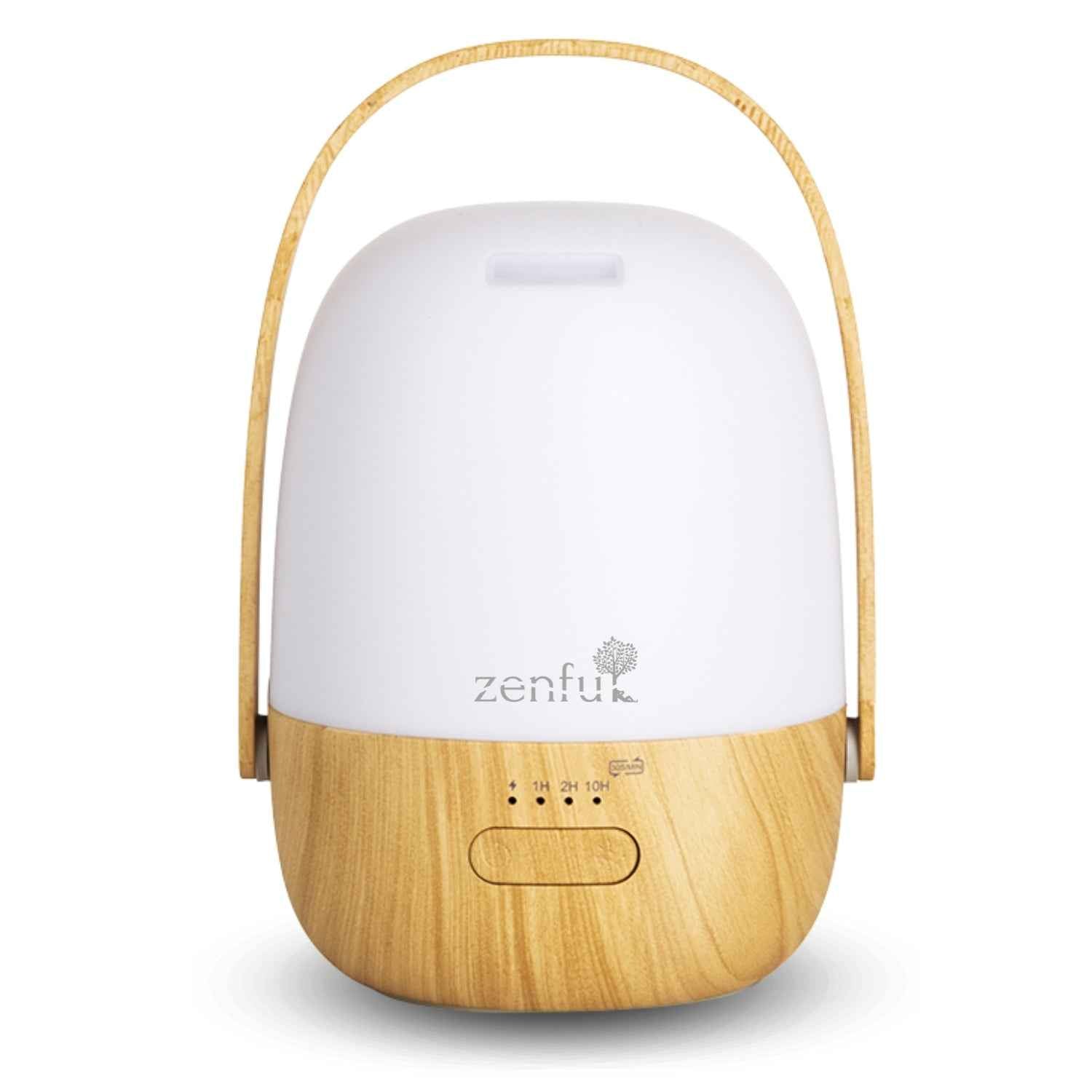
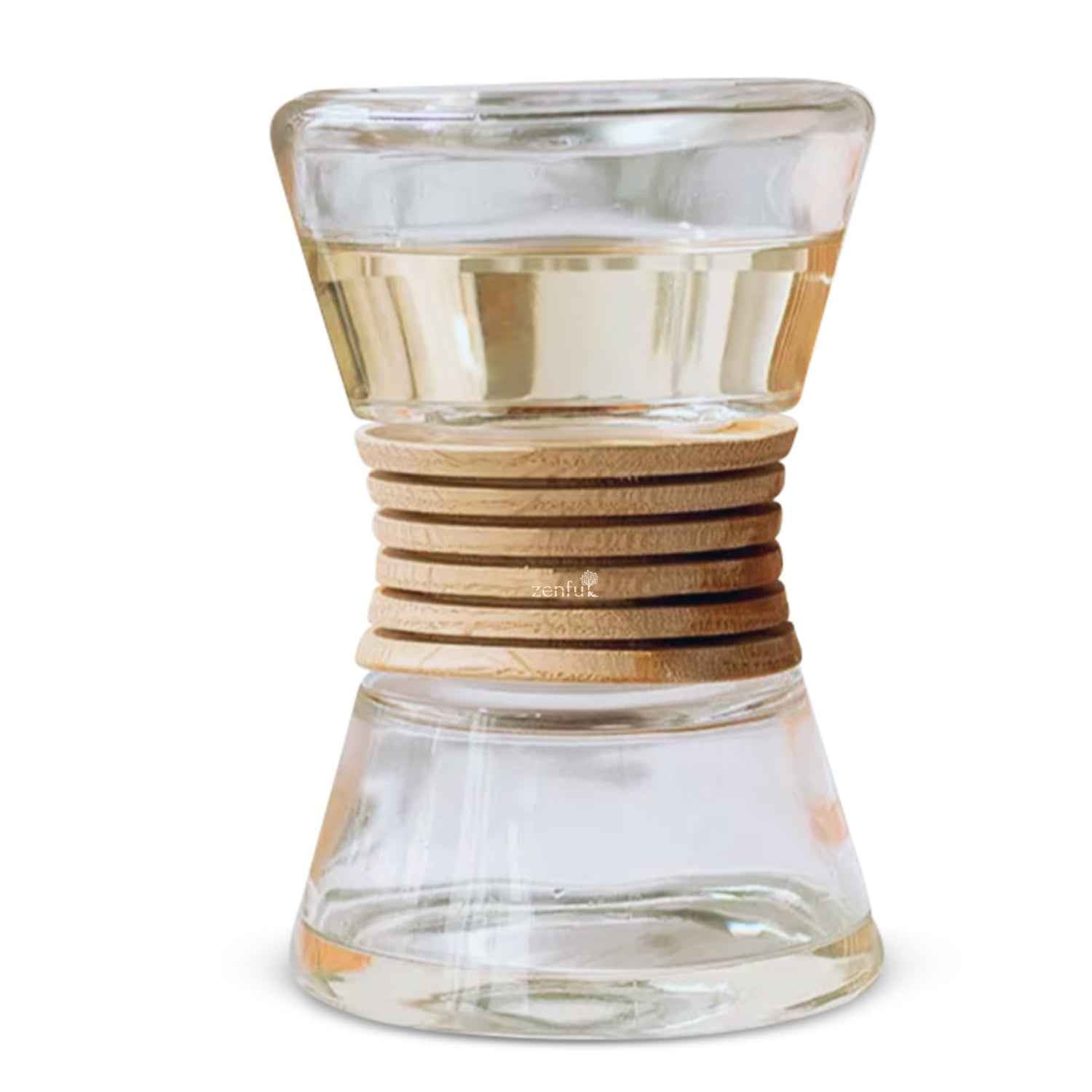
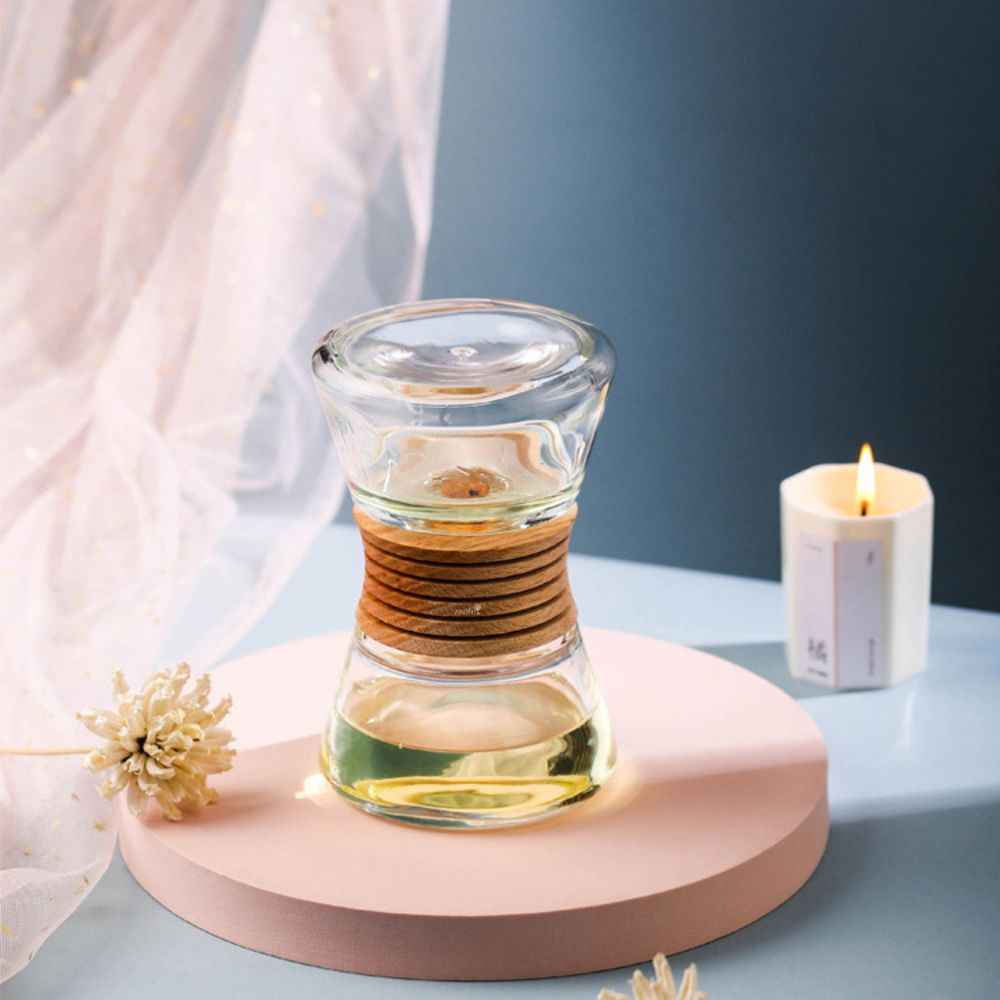
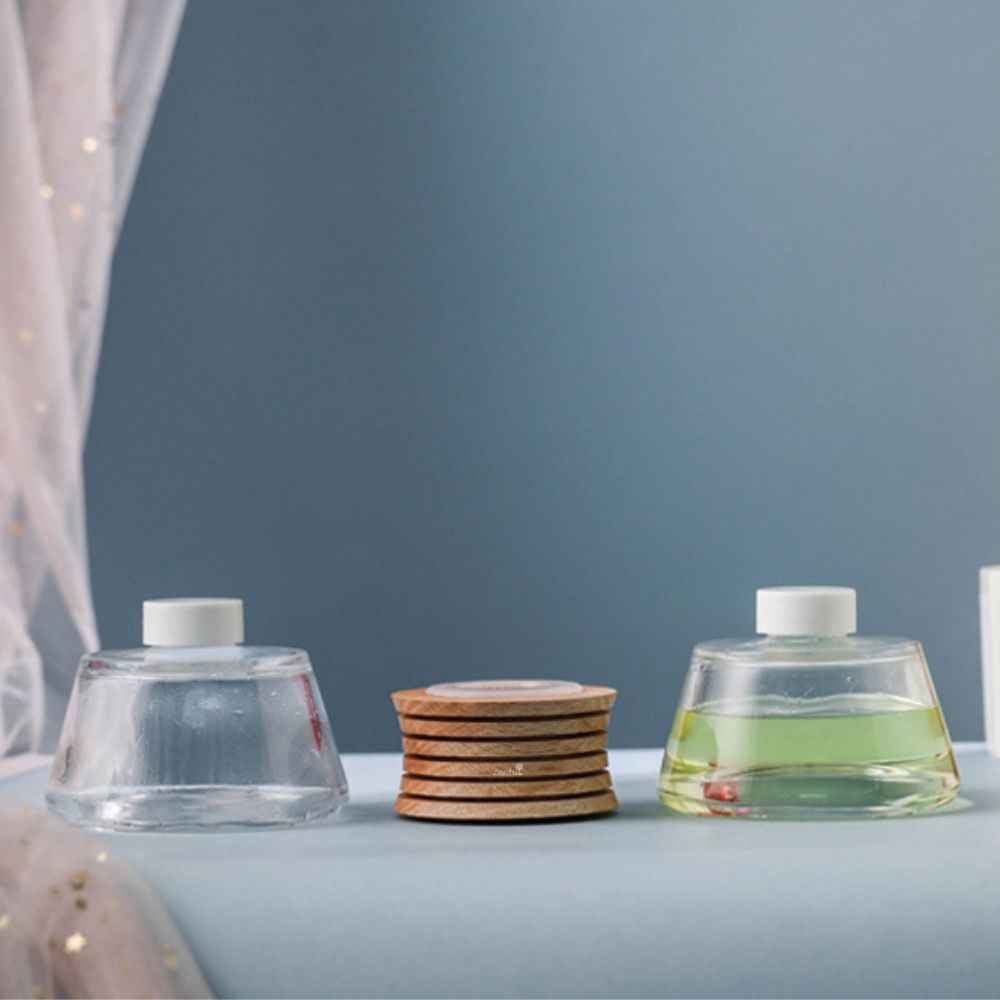
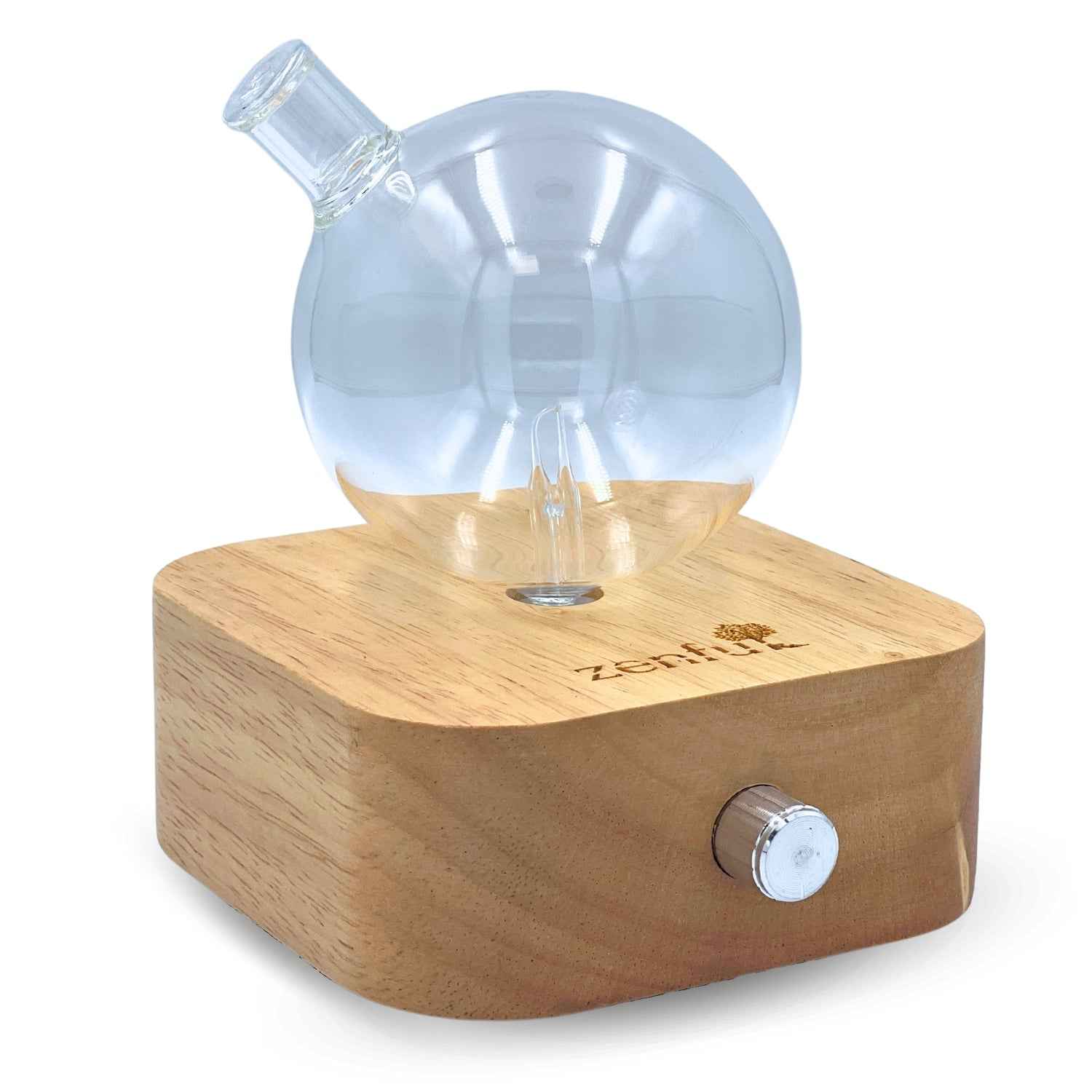
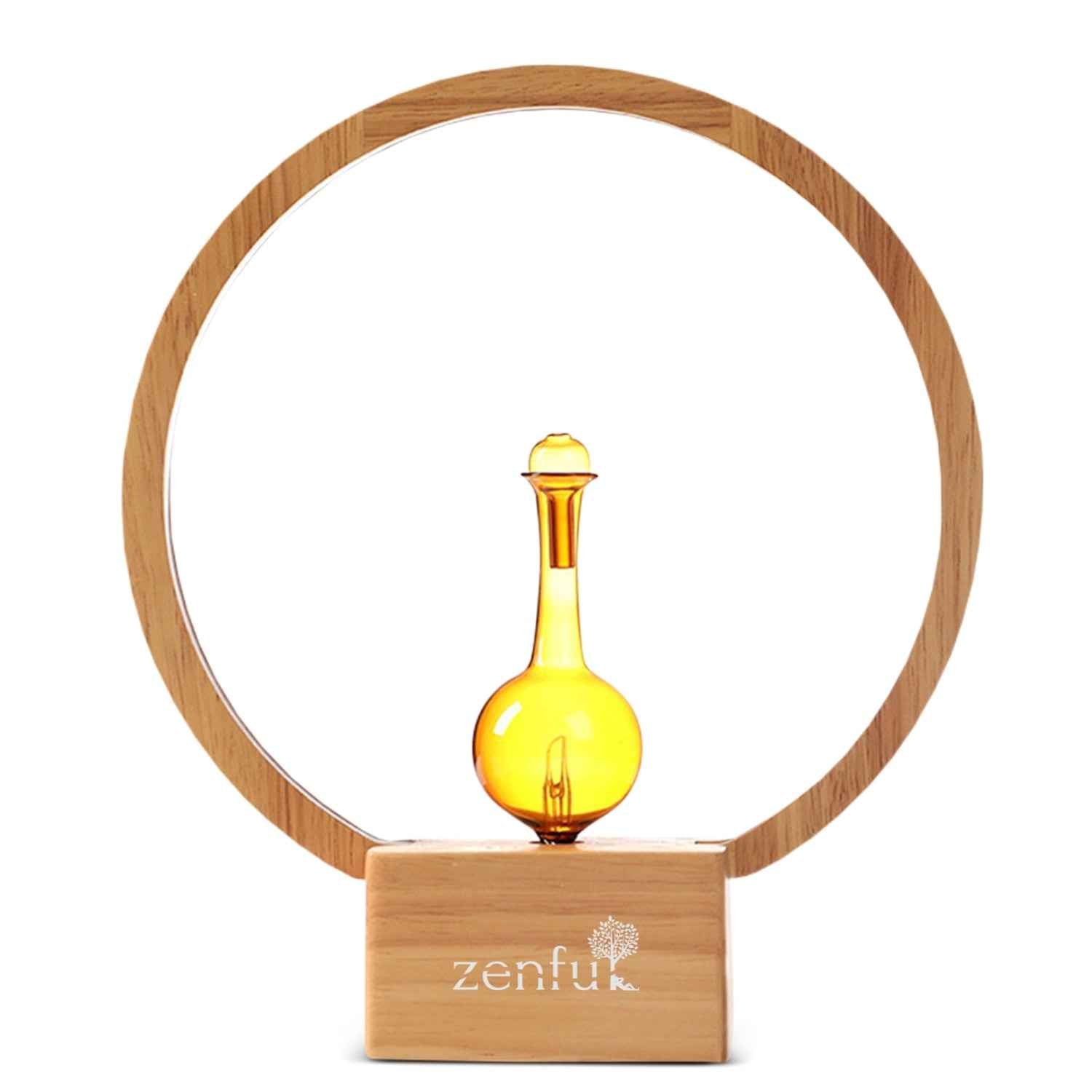
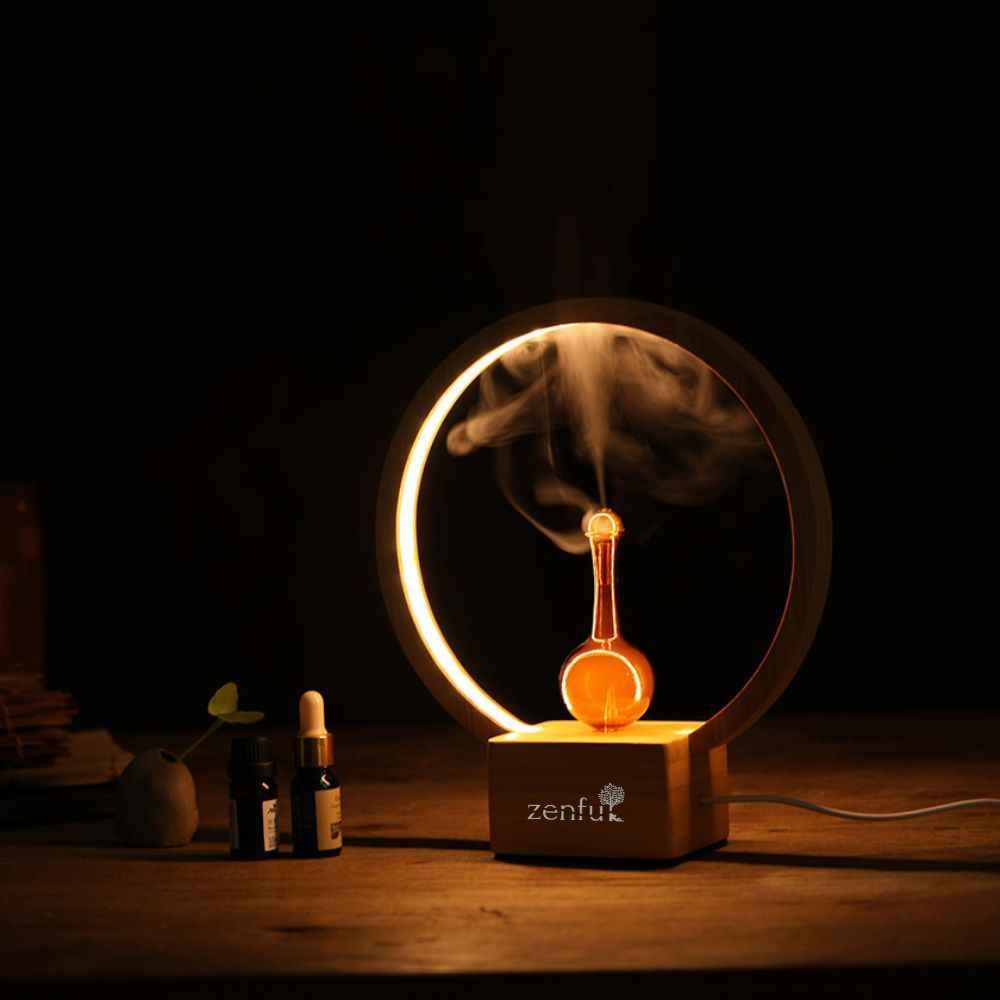
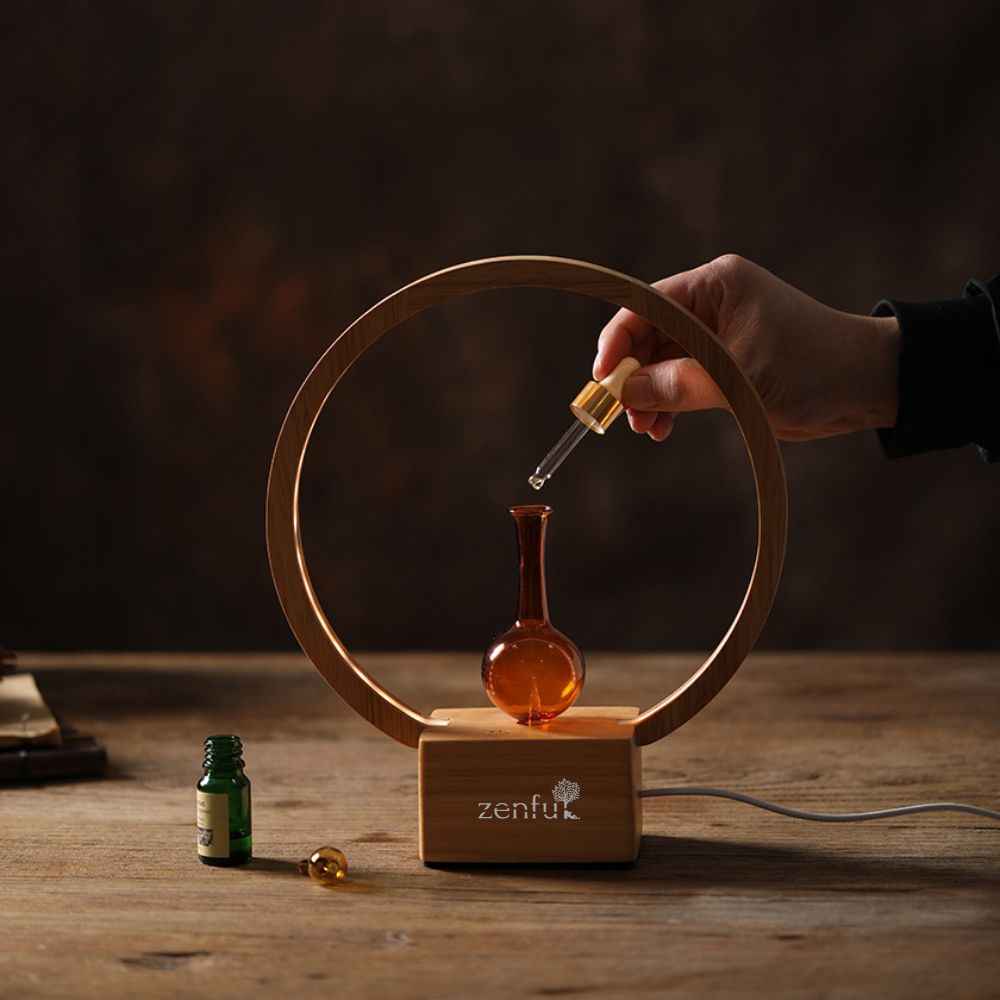
Zenful Essential Oils are:
-
100% pure, lab-tested, and steam-distilled for maximum potency
-
Fairly priced — no MLM markup or recruitment schemes
-
Ethically sourced with full ingredient transparency
-
Backed by clear, safe usage guidelines (no misleading health promises)
Final Thoughts
Young Living isn’t an outright scam, but its MLM structure, high prices, and history of legal issues mean consumers should approach with caution.
If you simply want high-quality essential oils without the recruitment drama, choose a reputable, transparent company like Zenful — where the focus is on pure oils, not building a downline.
✅ Pro Tip: Always buy from brands that provide GC/MS purity reports, clear sourcing information, and realistic usage recommendations — that’s the true sign of a trustworthy essential oil company.
Share:
Essential Oil Safety & Aromatherapy: Harmful or Helpful?
Everything You Need to Know About Perfume: Fragrance Notes & Types Explained