

Carvacrol is a naturally occurring compound found in several aromatic plants, most notably oregano (Origanum vulgare). It belongs to a class of compounds called monoterpenoid phenols, which are responsible for the strong, warm, and slightly spicy scent that makes oregano oil so distinctive.
When people discuss the potency of oregano oil, they often talk about its carvacrol content — this percentage is one of the main indicators of its strength and purity.
Where Does Carvacrol Come From?
Carvacrol is primarily found in:
-
Oregano oil (Origanum vulgare) – the richest natural source
-
Thyme oil (Thymus vulgaris) – particularly certain chemotypes
-
Savory oil (Satureja hortensis) – another carvacrol-rich herb
In oregano plants, carvacrol is produced in the leaves and flowering tops, and is concentrated during the steam distillation process used to make essential oils.
Why Carvacrol Matters in Oregano Oil Quality
The percentage of carvacrol in oregano oil directly affects its aroma intensity and potential functional uses.
-
Higher carvacrol content (60–80%) → stronger scent and more concentrated plant compounds.
-
Lower carvacrol content (<40%) → milder aroma and less concentrated actives.
💡 Tip: The exact percentage should always be listed on the product label or in lab reports, so you know what you’re buying.
Carvacrol in Different Types of Oregano Oil
1. Food-Grade Oil of Oregano (Internal Use)
-
Diluted form specifically made for safe ingestion.
-
Used in dietary supplements like AuraFuel Oregano Oil.
-
Contains a clearly stated carvacrol percentage, often between 60–75%, tested for purity.
-
Always follow label instructions and safety guidelines for internal use.
2. Oregano Essential Oil (Aromatherapy & Cosmetic Use)
-
Highly concentrated, undiluted oil intended for external applications like diffusers, massage blends, and skincare formulas (when diluted in a carrier oil).
-
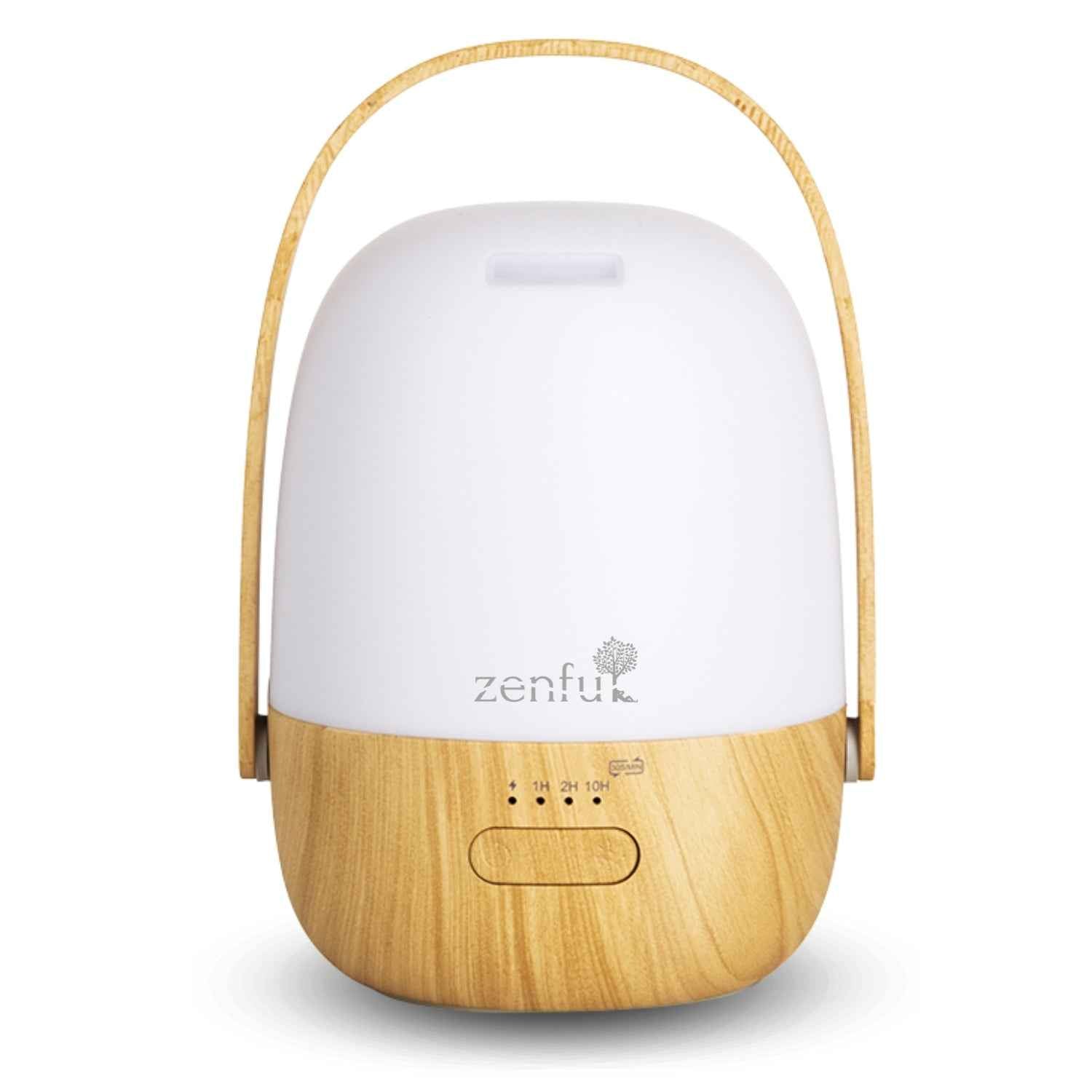
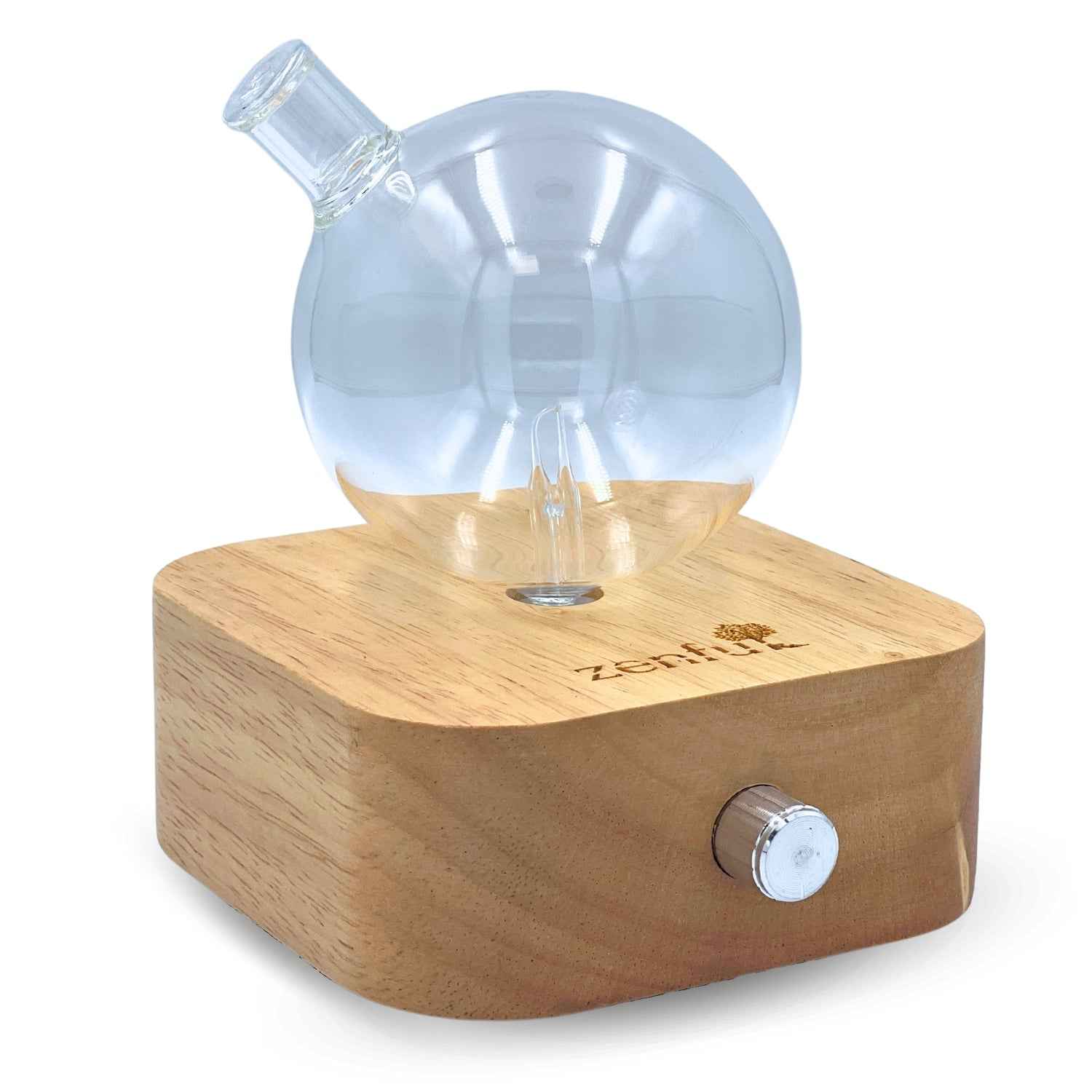
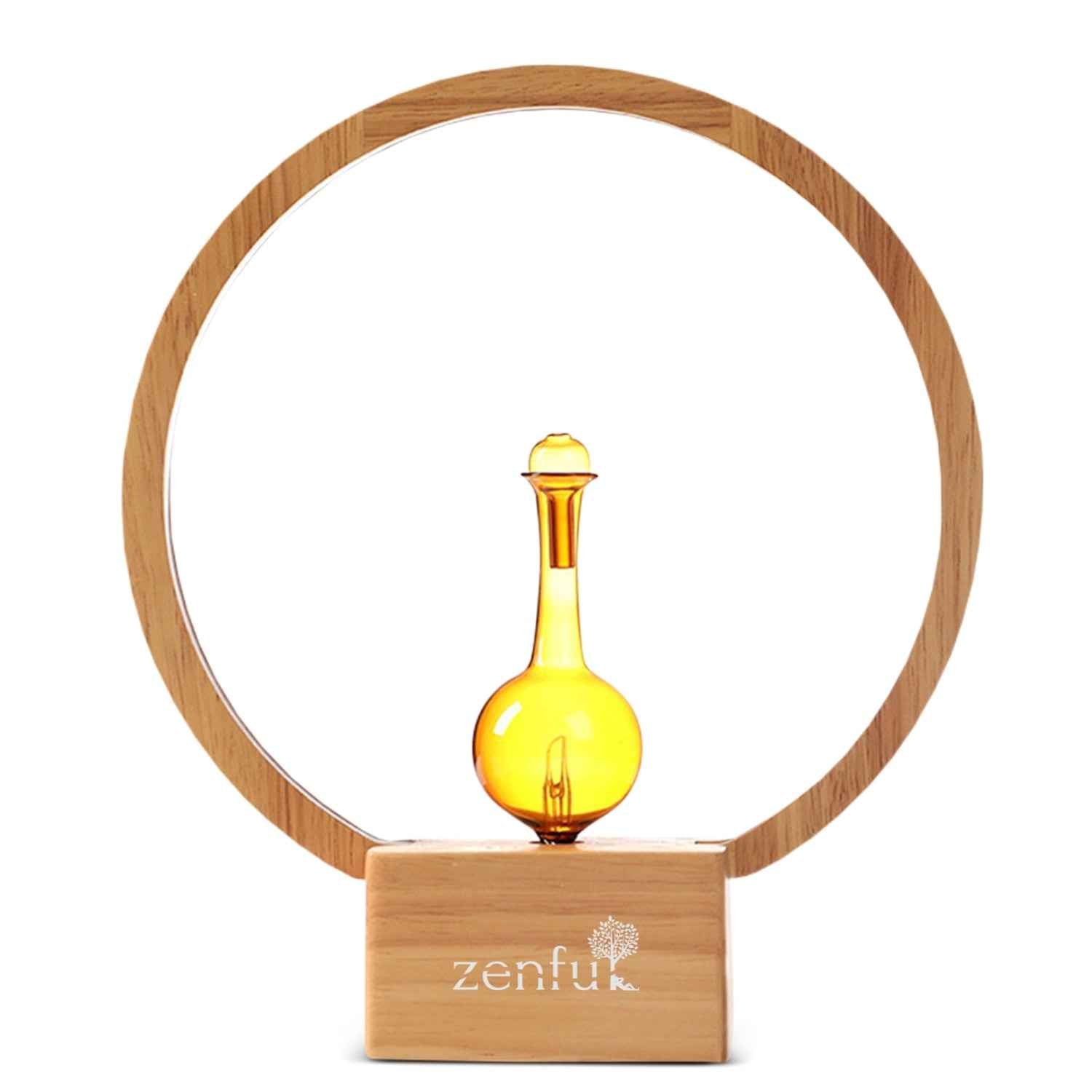
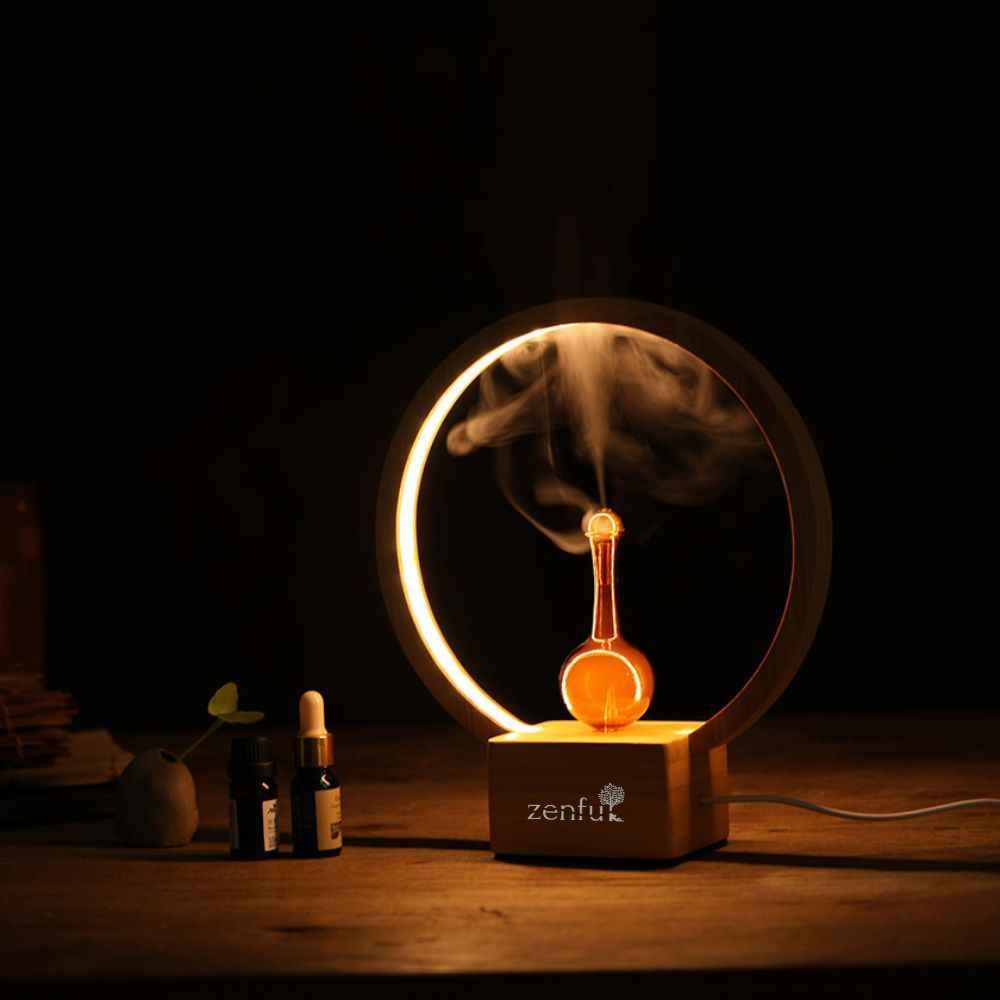
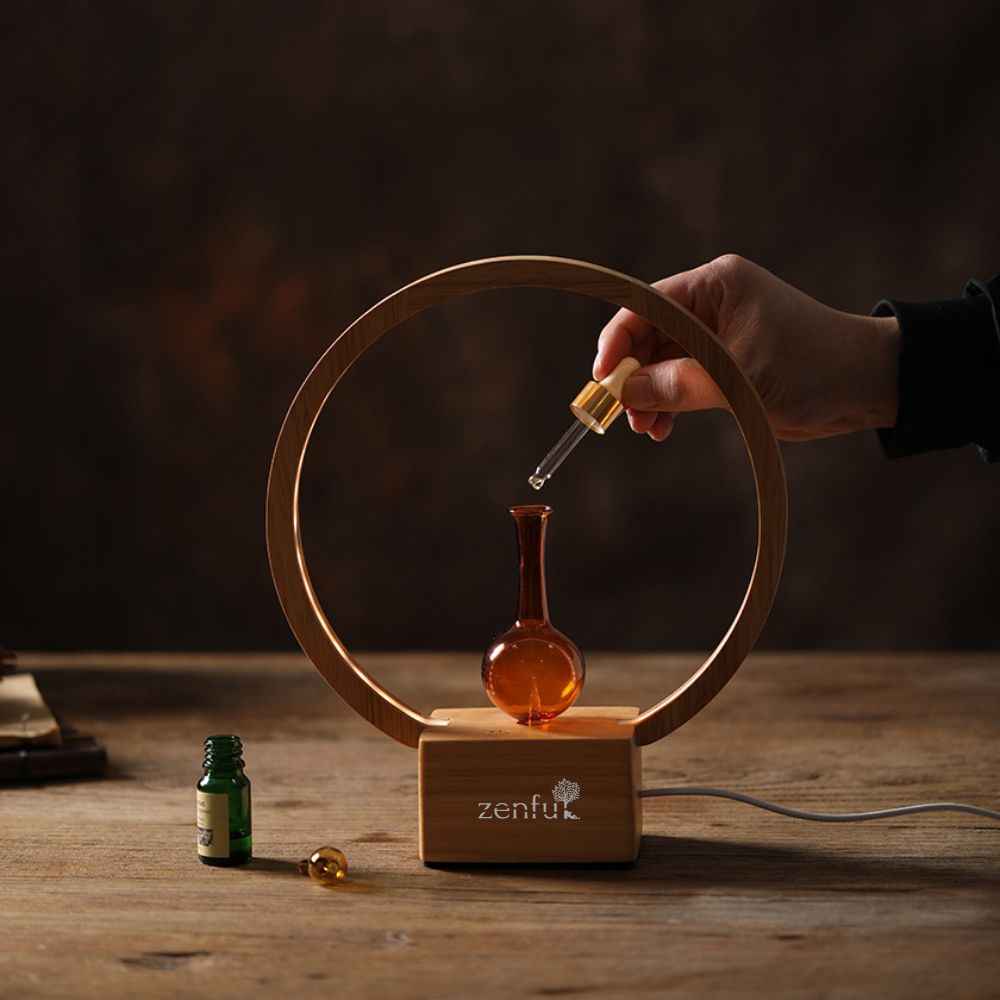
Zenful Oregano Essential Oil contains a high carvacrol percentage for strong aroma and plant potency, perfect for diffuser blends and cosmetic formulations.
How Carvacrol is Measured
Quality oregano oil producers verify carvacrol content using GC/MS testing (Gas Chromatography-Mass Spectrometry).
This ensures:
-
Accurate percentage of carvacrol
-
No synthetic additives or adulteration
-
Confirmation of botanical authenticity (Origanum vulgare)
Aromatherapy & Cosmetic Uses for High-Carvacrol Oils
When using oregano essential oil with high carvacrol content, it must be well diluted before skin application due to its strong, warming nature.
Popular Uses (Zenful Oregano Oil):
-
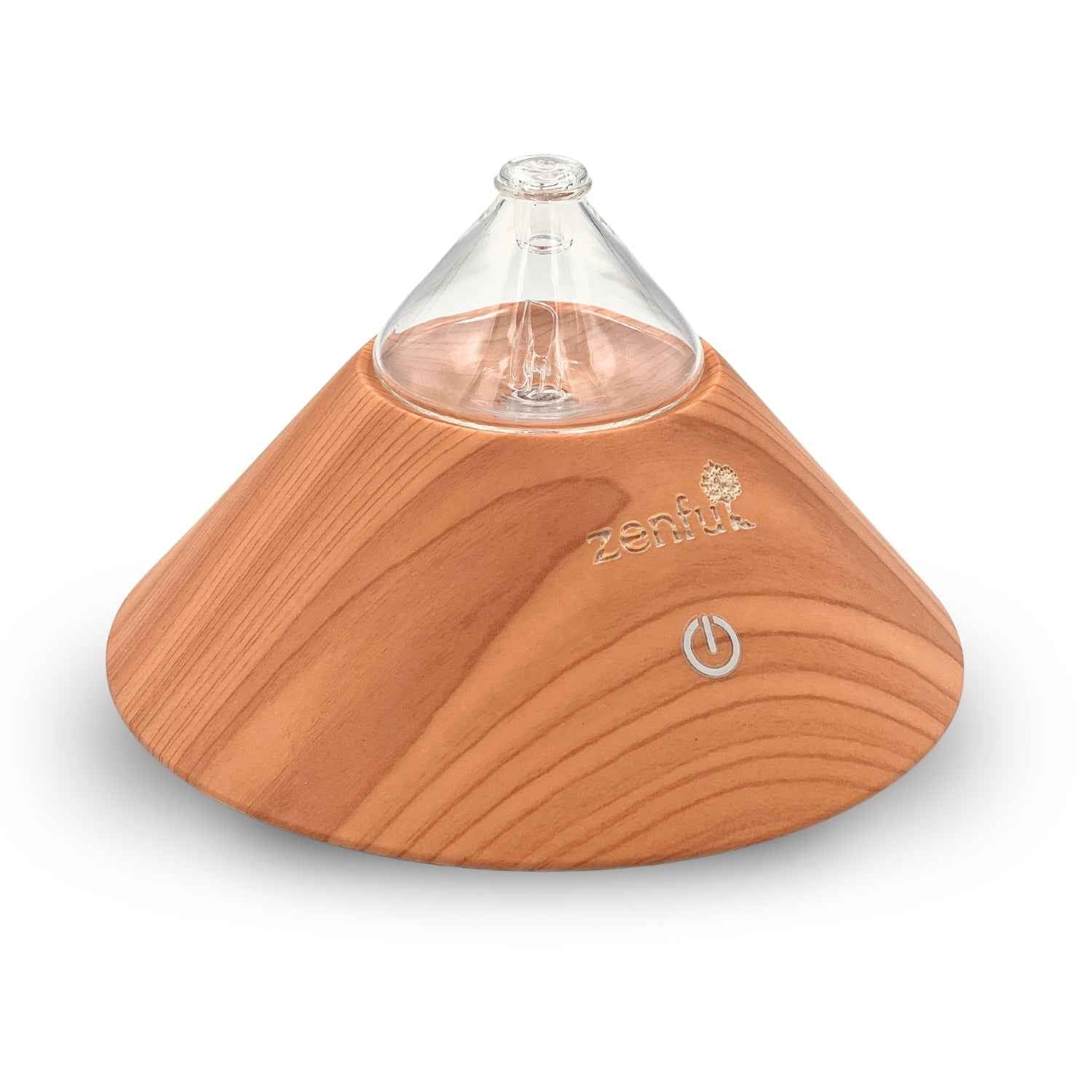
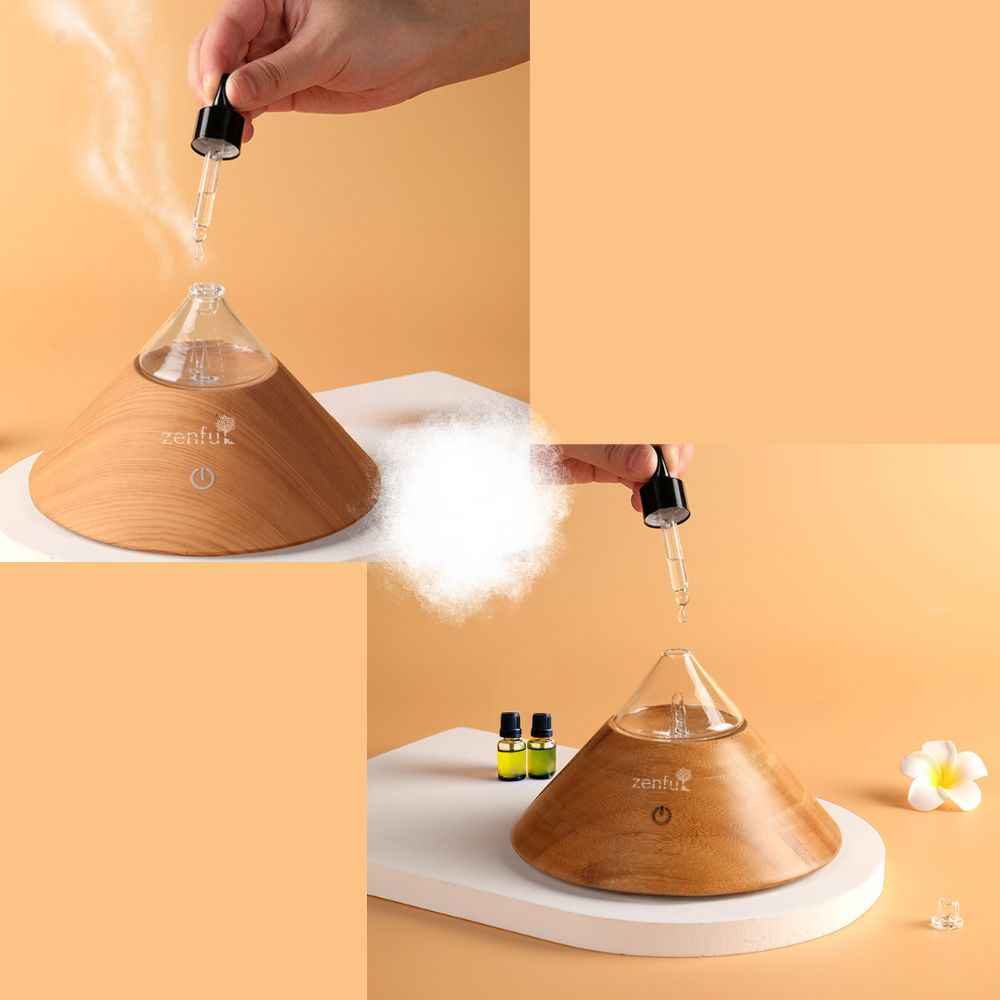
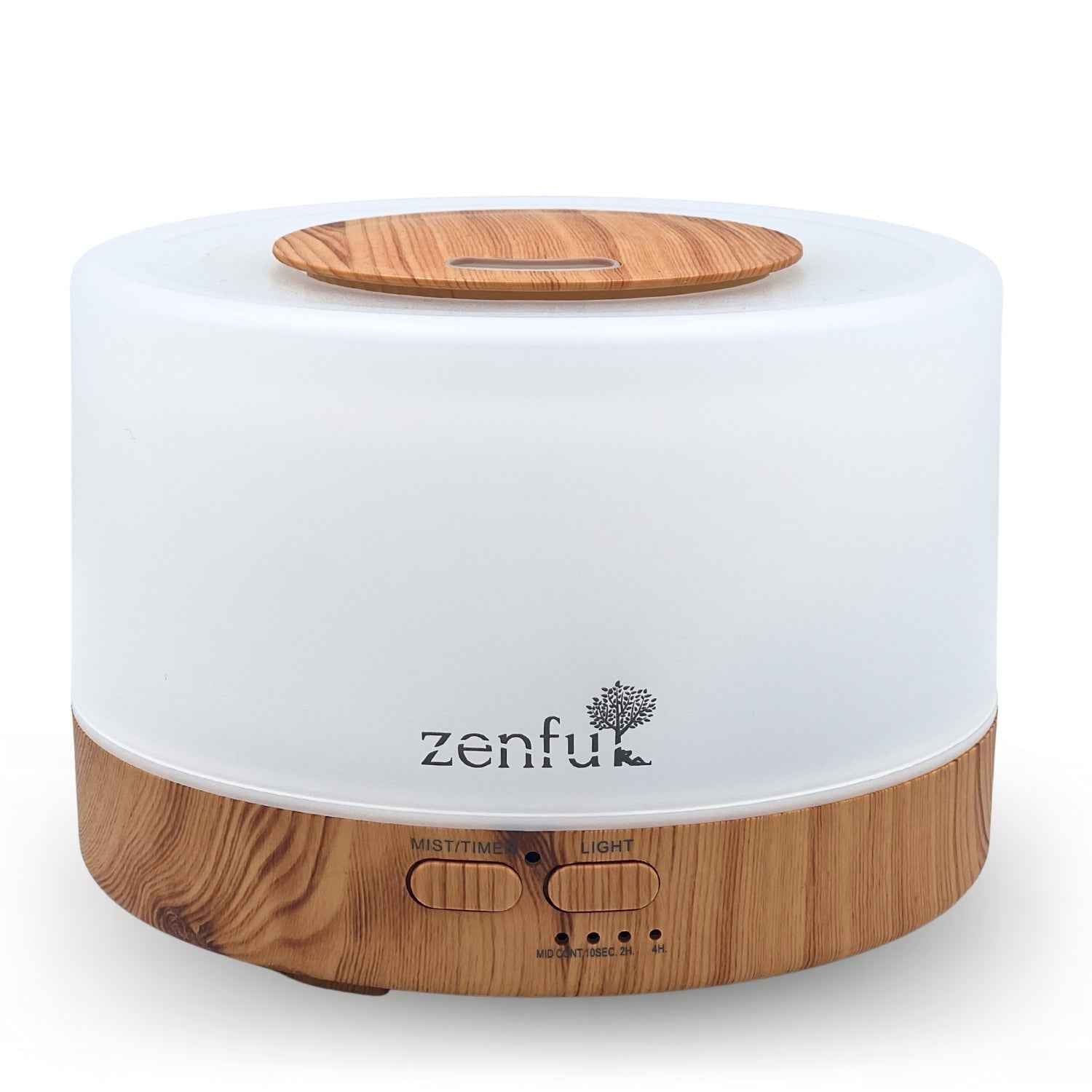
Diffuser blends → fresh, herbal room fragrance
-
Massage blends → dilute with carrier oil for an aromatic herbal touch
-
DIY skincare → always in very low concentrations, paired with soothing oils like jojoba or argan
Choosing the Right Product Based on Use
| Intended Use | Best Product Type | Example Brand | Carvacrol % |
|---|---|---|---|
| Internal/Dietary | Oil of oregano (food-grade, diluted) | Aurafuel Oregano Oil | 80–85% |
| Diffuser/Aromatherapy | Pure oregano essential oil (undiluted) | Zenful Oregano Essential Oil | 60–80% |
| Cosmetic Formulation | Pure oregano essential oil (in carrier) | Zenful + carrier oil | 60–80% |
Final Thoughts
Carvacrol is the key compound that gives oregano oil its distinctive scent, strength, and potency.
-
For internal use, choose a food-grade oil like AuraFuel Oregano Oil with a safe dilution and verified carvacrol percentage.
-
For diffuser, cosmetic, and aromatherapy purposes, Zenful Oregano Essential Oil offers a high, lab-tested carvacrol content ideal for external applications when properly diluted.
Knowing the carvacrol percentage — and matching the oil type to your intended use — ensures you get pure, effective oregano oil every time.
Share:
Thymoquinone: The Powerful Substance from Black Seed Oil
Best Essential Oil Diffuser Blends: Recipes for Relaxation, Energy & Sleep