

Some words carry a feeling the moment you hear them. Zenful is one of those words. It sounds calm, intentional, and light — and that is exactly what it means. But where does the word come from, what does it actually describe, and how can you bring more of it into your daily life?
This guide covers everything: the zenful definition, its origins, how it differs from "zen," and what a truly zenful life looks like in practice.
What Does Zenful Mean? The Definition
The word zenful is an informal, modern adjective used to describe a state of being, a feeling, a space, or a moment that is deeply calm, peaceful, and attuned to the present. It combines "zen" — referring to a state of mental clarity and stillness — with the suffix "-ful," meaning full of.
So the zenful definition is, in its simplest form: full of zen. Full of calm. Full of presence.
Urban Dictionary, one of the earliest places to document the term, defines zenful as "a euphoric feeling produced by a relaxing environment and calming energy." That captures it well. A zenful feeling is not just relaxed — it is positively peaceful. There is a warmth and richness to it, like the air after rain or the first quiet moment of a Sunday morning.
Examples of how the word is used:
- The candle lit the room in a zenful way.
- She stepped outside and took a long, zenful breath.
- A warm bath and soft music — that is the most zenful way to end a day.
Zenful can describe a person, a place, a moment, a routine, or even an object. It is flexible, modern, and immediately understood.
Zenful vs. Zen — What Is the Difference?
The two words are closely related but not identical. Understanding the difference helps you use each one with more intention.
What Does Zen Mean?
Zen has deep roots. It originates from the Japanese word "禅" (zen), itself derived from the Chinese "禪" (chán), which comes from the Sanskrit "dhyāna," meaning meditation or contemplative absorption. Zen is a school of Mahayana Buddhism that developed in China in the 6th century and spread to Japan, Korea, and eventually the Western world.
At its core, Zen is about direct experience. It teaches that wisdom cannot be reached through intellectual effort alone — it must be felt, lived, and practiced. Key Zen principles include non-attachment, presence, simplicity, and awareness.
In modern everyday language, the Cambridge Dictionary defines zen (lowercase) simply as: "relaxed and not worrying about things that you cannot change." When someone says "just be zen about it," they mean: let go, stay calm, and stop trying to control what is out of your hands.
And Zenful?
Zenful takes that idea and turns it into something you can feel in the moment. Where zen is a practice and a philosophy, zenful is the lived experience of it — the atmosphere, the sensation, the energy of a space or moment that invites peace and presence.
Think of it this way: zen is the path. Zenful is the feeling when you are walking it.
A person practicing meditation for years might describe their outlook as zen. The bedroom they walk into after that practice — soft light, a diffuser running, the scent of lavender in the air — that is zenful.
Where Did the Word Zenful Come From?
Zenful is not a formal dictionary word — at least not yet. It grew organically out of modern wellness culture, the way many words do. As mindfulness, aromatherapy, and intentional living moved into the mainstream, people naturally reached for language that captured these experiences. Zenful filled that gap.
The word appears in wellness communities, lifestyle blogs, product descriptions, and social media — anywhere people talk about creating calm, meaningful environments and routines. It resonates because it sounds like what it means: soft, balanced, and full of peace.
At Zenful, we chose this word as our brand name precisely because it reflects the experience we want every product to create. When you open a bottle of pure essential oil or switch on an aroma diffuser, we want that moment — that breath — to feel zenful.
What Does a Zenful Life Actually Look Like?
Living a zenful life does not require a complete lifestyle overhaul, a meditation retreat, or hours of free time each day. It is built from small, intentional moments that you weave into your existing routine.
A Zenful Morning
How you begin your morning sets the tone for everything that follows. A zenful morning is not rushed. It makes space for at least a few minutes of quiet before the day accelerates.
This might mean sitting with your coffee without scrolling. It might mean opening a window and listening to the sounds outside. It might mean diffusing an uplifting essential oil — sweet orange, rosemary, or eucalyptus — to gently awaken your senses and prepare your mind for the day ahead.
A Zenful Home Environment
Your environment shapes your mental state more than most people realize. A zenful space is not necessarily minimalist or perfectly decorated. It is intentional. It has details that engage your senses in a calming, positive way.
Scent is one of the most powerful of these. Aromatherapy works directly through the olfactory system, connecting to the limbic brain — the part that regulates emotion and memory. A diffuser running pure lavender or frankincense essential oil does not just smell good. It sends a signal to your nervous system: you are safe, you can slow down.
Other elements of a zenful space include natural materials, soft and warm lighting, reduced visual clutter, and a sense of order that does not feel sterile.
A Zenful Evening
The evening is where many people struggle most. The transition from the pace of the day to genuine rest is not always easy. A zenful evening routine helps your mind and body make that shift.
Dimming the lights signals to your circadian rhythm that it is time to wind down. Stepping away from screens — even for thirty minutes before bed — makes a noticeable difference. Adding a calming scent, such as bergamot, cedarwood, or Roman chamomile, can deepen the sense of transition and prepare you for real, restorative sleep.
The Role of Scent in Creating a Zenful Experience
Of all the senses, smell is the most directly linked to how we feel. Unlike sight or sound, scent bypasses the thalamus entirely and goes straight to the limbic system — the brain's emotional center. This is why a particular smell can instantly transport you, calm you, or lift your mood.
This is also why aromatherapy has been used across cultures for thousands of years — and why it remains at the heart of a zenful lifestyle today.
Zenful Essential Oils to Know
These are some of the most widely used essential oils for creating a zenful atmosphere:
- Lavender — the most studied of all essential oils for relaxation and sleep. It calms the nervous system, reduces tension, and creates a gentle, familiar sense of safety.
- Bergamot — bright and slightly floral. Used widely to ease emotional heaviness and create a mood of calm optimism.
- Frankincense — deep, grounding, and resinous. Long used in meditation and spiritual practice to still the mind and deepen breathing.
- Eucalyptus — fresh and clarifying. Opens the airways and creates a sense of mental spaciousness and alertness.
- Sweet Orange — warm and uplifting. Reduces anxious feelings while bringing a light, positive energy to any space.
- Ylang Ylang — sweet and rich. Known for its ability to ease emotional agitation and promote a sense of well-being.
- Roman Chamomile — soft and apple-like. Deeply soothing, especially in the evening when the mind is restless.
At Zenful, all of our essential oils are 100% pure and biological — free from synthetic additives, carriers, or dilutions. This matters because the therapeutic quality of an essential oil depends entirely on the purity of the plant compounds it contains.
How to Use Essential Oils to Create a Zenful Space
There are several ways to bring essential oils into your daily life, each with its own quality and effect.
Aroma Diffuser
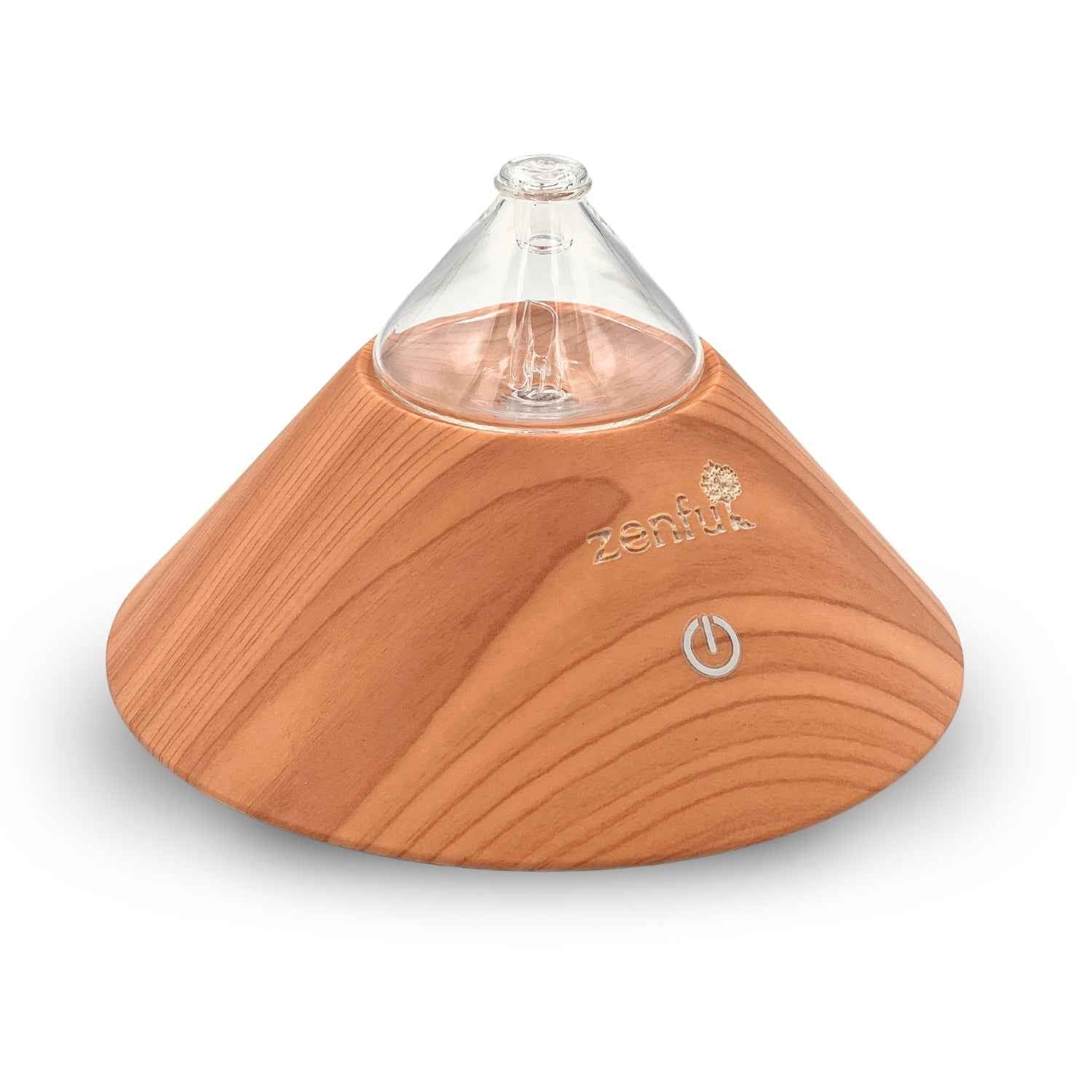
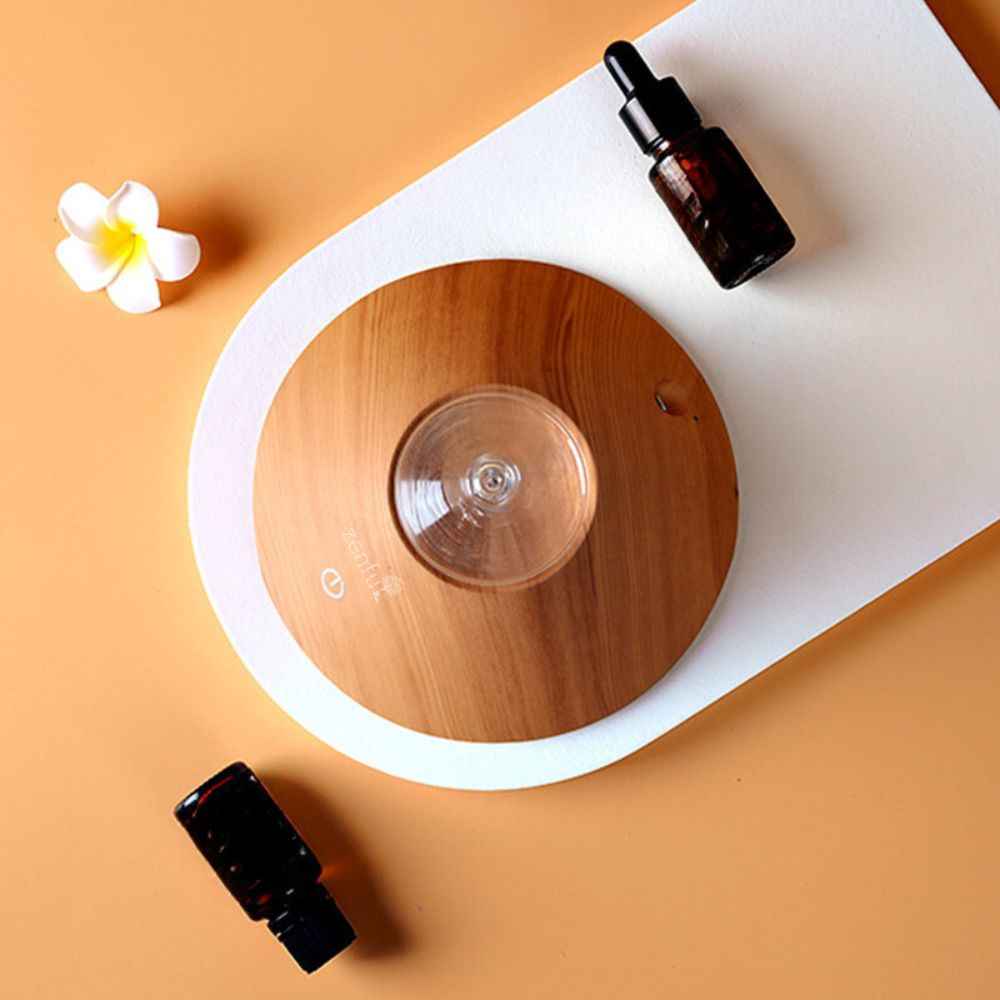
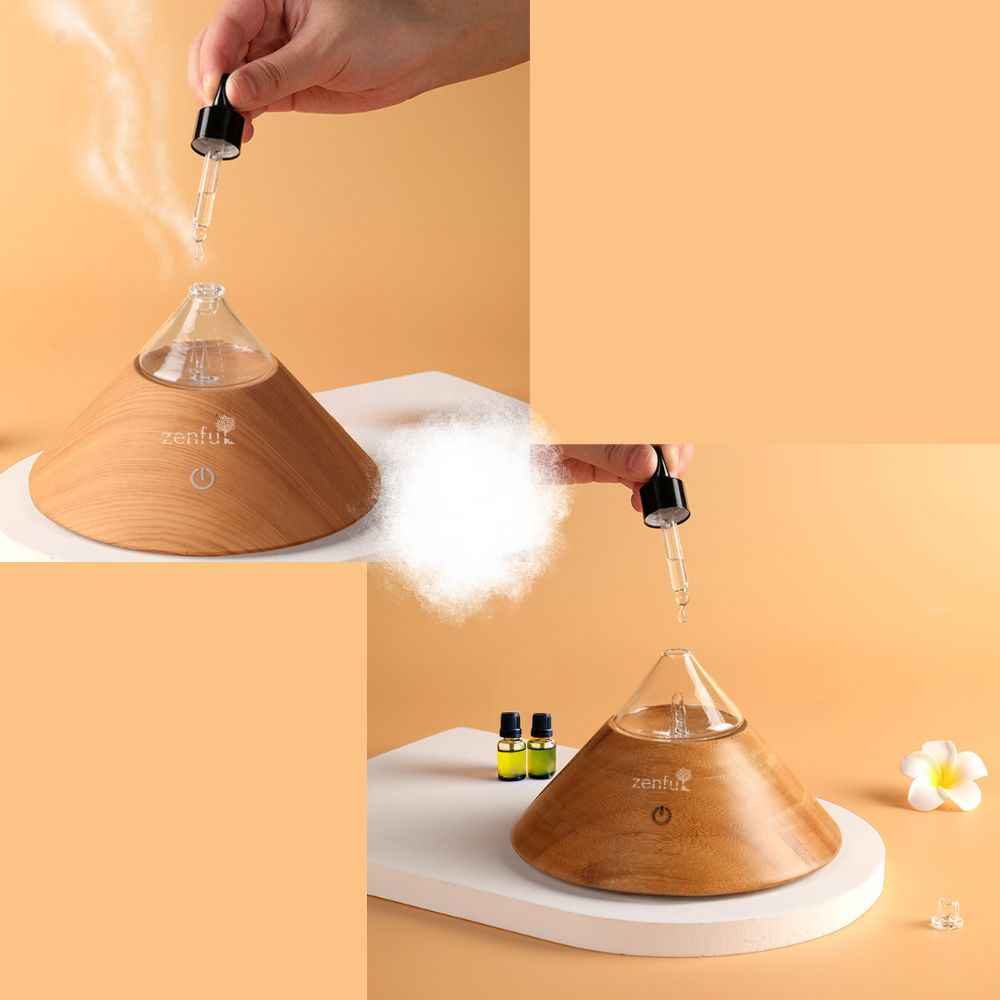
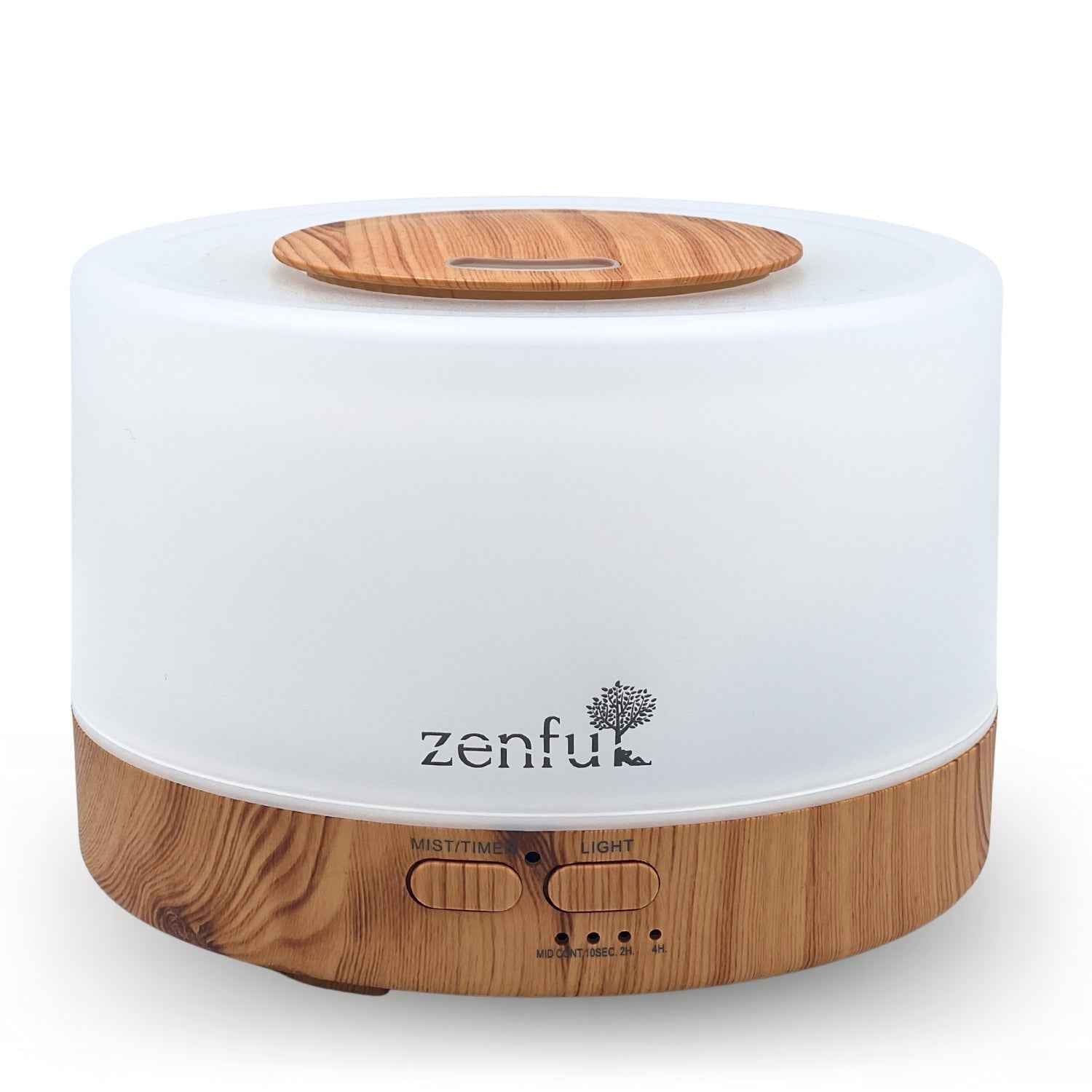
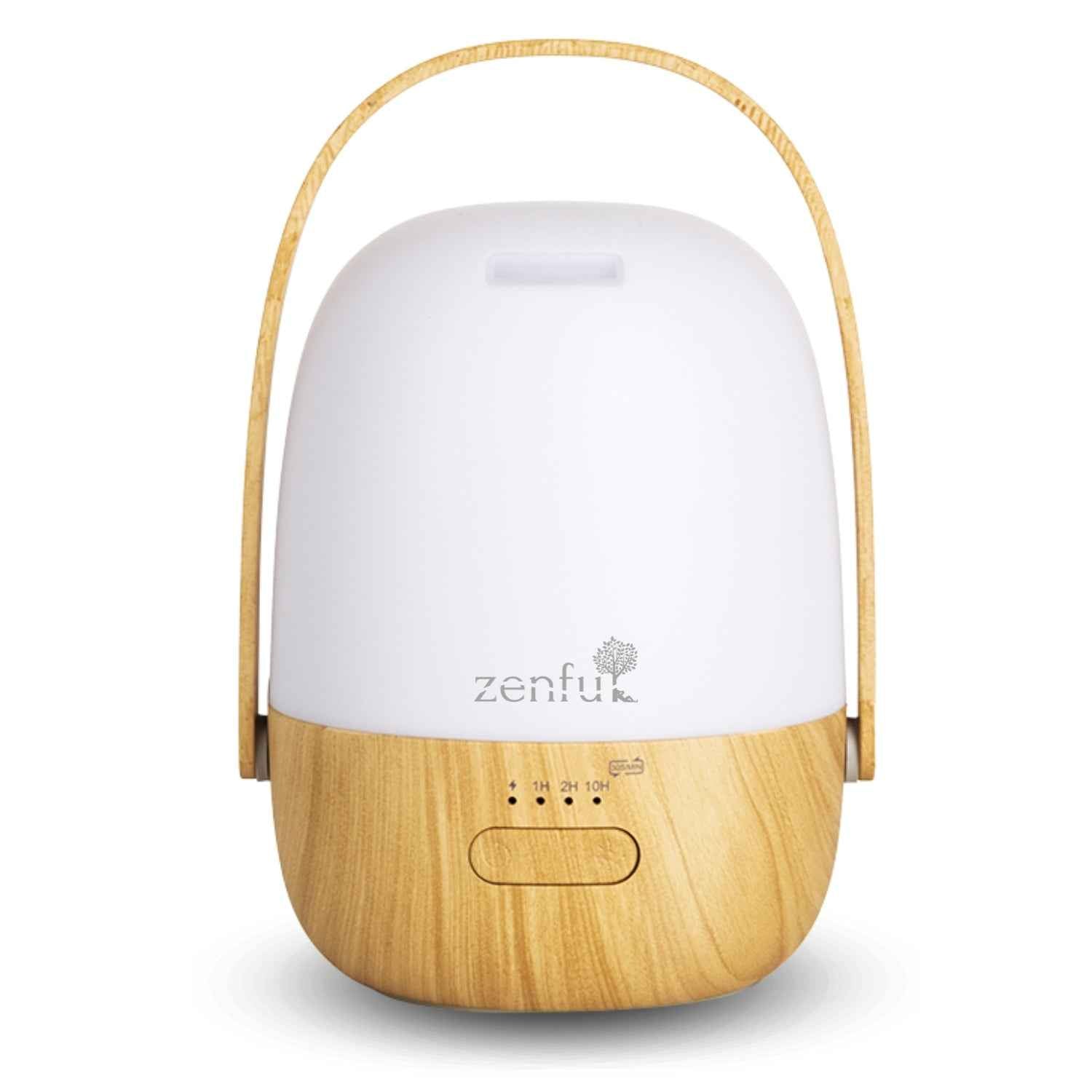
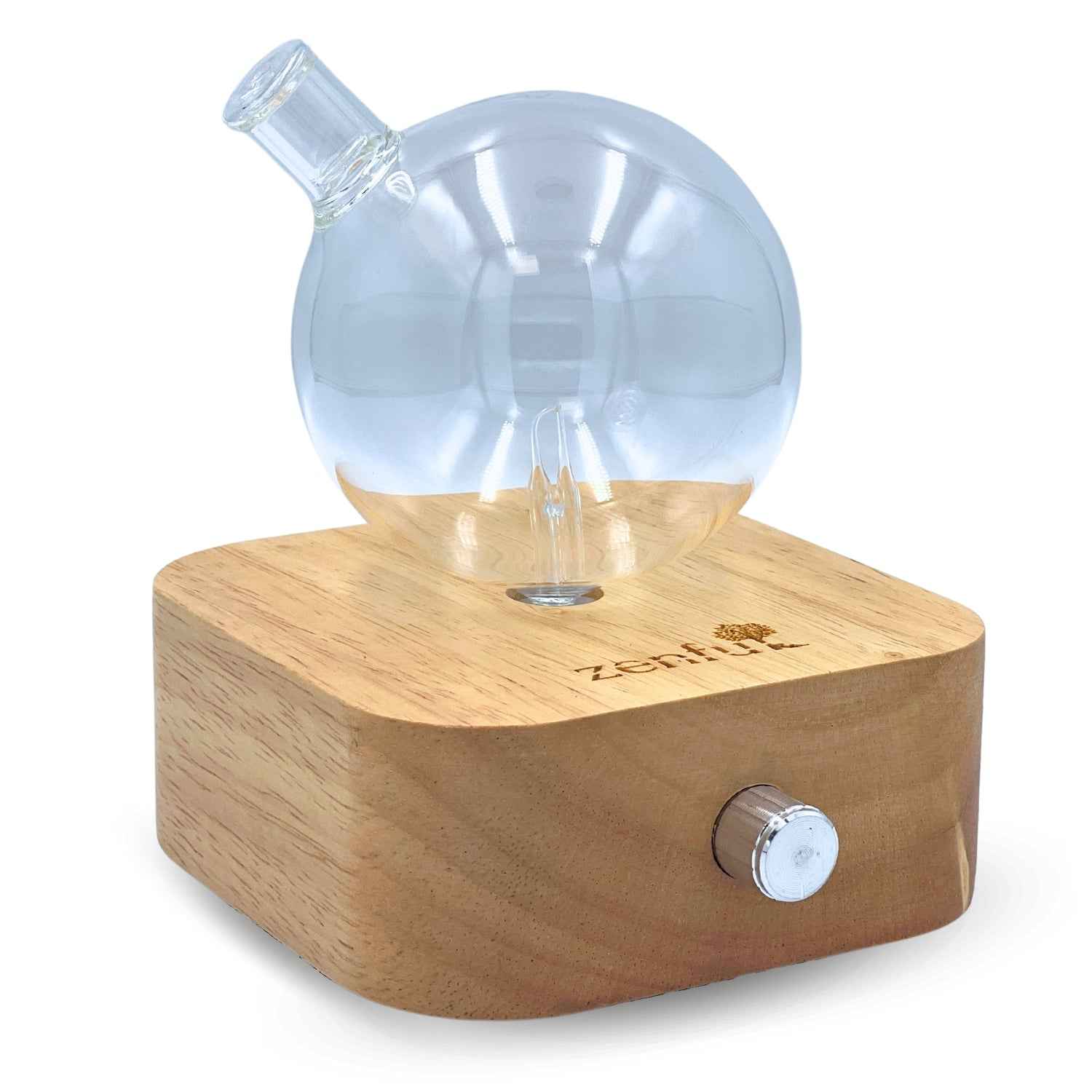
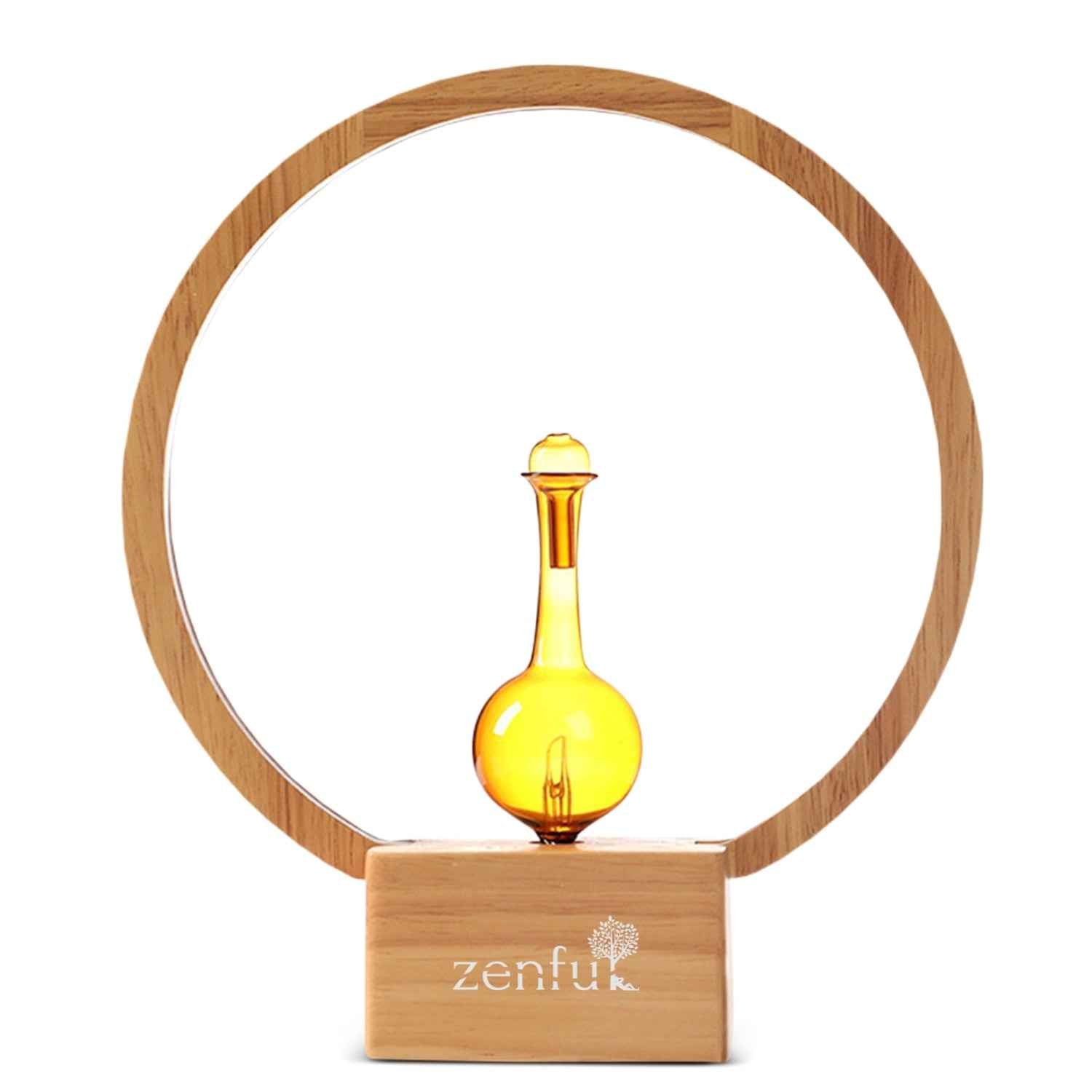
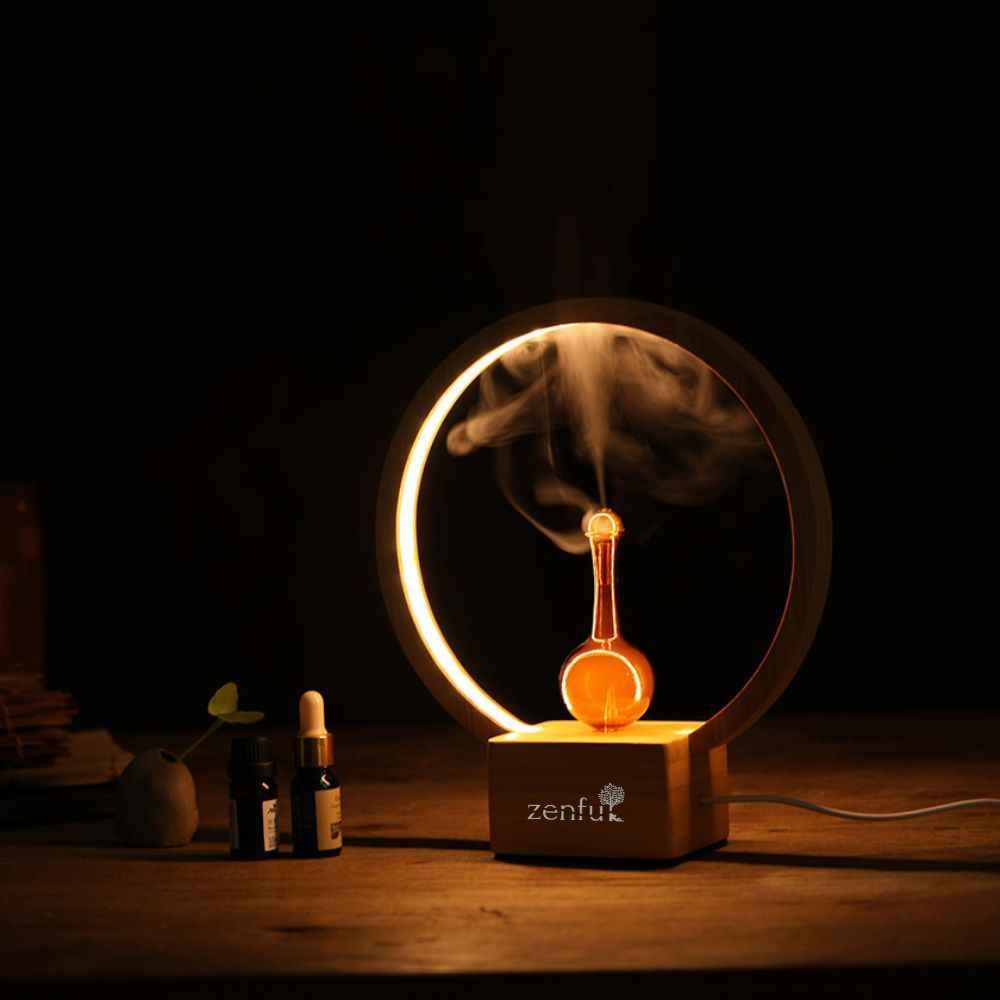
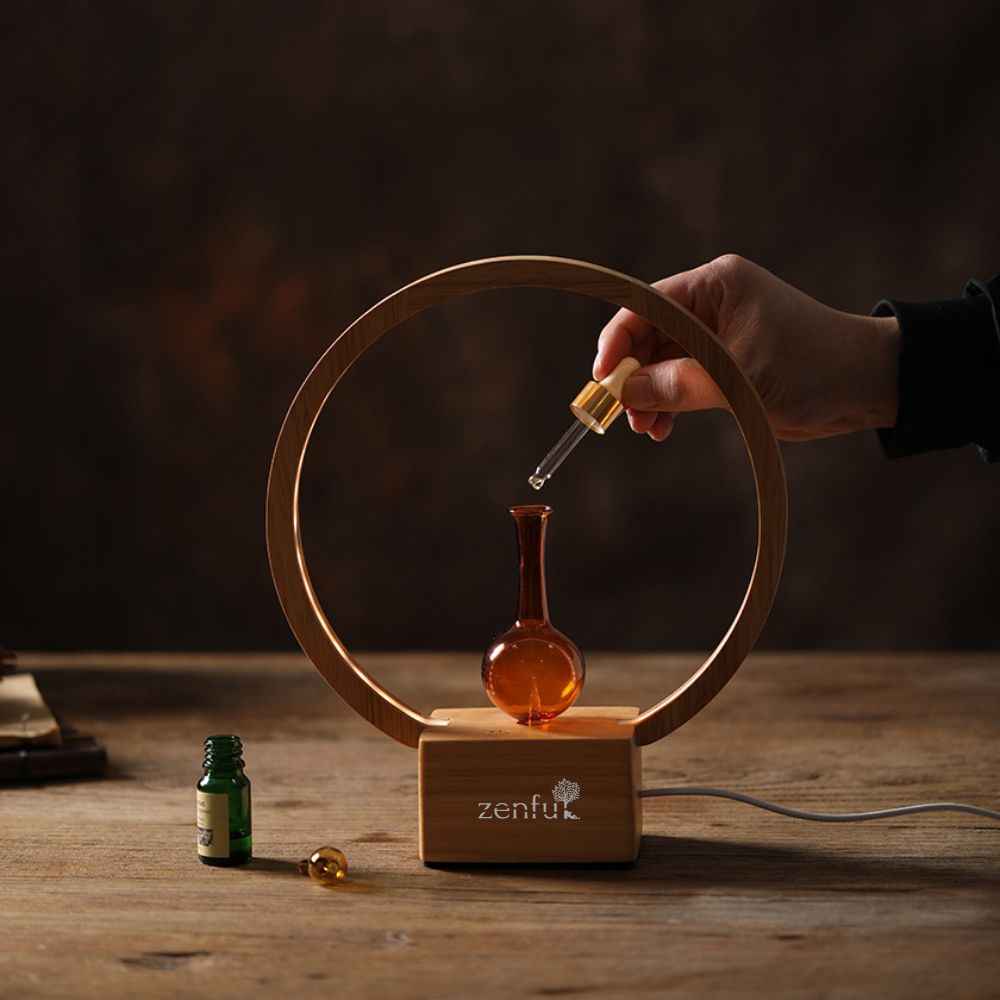
The most common and practical method. An ultrasonic diffuser disperses essential oil molecules into the air as a fine mist, filling a room with scent for hours. It is safe, consistent, and adjustable — you control the intensity and duration. This is the foundation of a zenful home environment.
Direct Inhalation
Placing a drop or two on your palms, rubbing them gently together, and cupping them over your nose is one of the fastest ways to feel the effect of an essential oil. It is particularly useful in moments of stress or tension, when you want a quick reset.
Bath and Body
Adding a few drops of essential oil to a warm bath — always diluted in a carrier oil or bath salt first — turns an ordinary evening routine into something genuinely zenful. The combination of warmth, scent, and stillness is deeply restorative.
Pillow and Linen Spray
A simple dilution of lavender or chamomile in water, lightly misted on your pillow before sleep, is one of the most underrated habits in a zenful evening routine.
Frequently Asked Questions About the Zenful Definition
Is zenful a real word?
It is not currently included in formal dictionaries like Merriam-Webster or Oxford, but it is widely understood and used in wellness, lifestyle, and mindfulness communities. Language evolves through use, and zenful is a fully established part of modern wellness vocabulary.
Is zenful the same as mindful?
They overlap but are not identical. Mindfulness is a practice — the deliberate act of paying attention to the present moment. Zenful is more of a quality or atmosphere. You can be mindful in any situation, even a stressful one. Something is zenful when it actively supports and embodies a sense of peace and calm.
Can a place be zenful?
Absolutely. A room, a garden, a corner of a café — any space that has been arranged or naturally produces a feeling of calm, presence, and ease can be described as zenful. Scent, light, sound, and texture all contribute to making a space feel this way.
What is the difference between zen and zenful?
Zen refers to a Buddhist philosophical tradition and, in everyday use, a calm state of mind. Zenful is the experiential, sensory quality of that state — the feeling of it in a moment, a space, or a person.
The Zenful Philosophy
At Zenful, we believe that peace is not something you find after everything else is taken care of. It is something you create — in small, deliberate moments every single day.
A pure essential oil diffusing through your home is not a luxury. It is a signal. A reminder that you deserve calm, that your environment can support your nervous system, and that rest is not something you have to earn.
That is the zenful definition in practice: intentional calm, lived in the ordinary moments of an extraordinary life.
If you are ready to bring more zenful moments into your day, explore our collection of pure organic essential oils and aroma diffusers — crafted to help you feel exactly this way.
Share:
Best Body Lotion: Which One Is Good for My Skin?
SmellaCloud vs Zenful: Which Aromatherapy Brand Should You Choose?